Chrome plated steel rods (CPSR) are critical engineering components renowned for their synergistic combination of mechanical robustness, tribological performance, and corrosion resistance. Through electrolytic chrome plating, a dense chromium layer (typically 0.02–0.15 mm thick, HRC 60–70) is deposited onto a steel substrate, enhancing surface hardness, reducing friction, and forming a barrier against environmental degradation. This article systematically elaborates on the technical applications of CPSRs across key industries, highlighting their performance advantages, industry-specific requirements, and technical value in engineering systems.
1. Material Fundamentals & Product Classifications
1.1 Core Substrate & Plating Specifications
CPSRs are fabricated using high-performance steel substrates, including:
- Medium-carbon steel (CK45/C45E, DIN EN 10083-2): Balances strength (600–800 MPa tensile strength) and machinability, suitable for general industrial applications.
- Alloy steel (4140/42CrMo4, DIN EN 10083-3): Enhanced fatigue resistance and tensile strength (800–1000 MPa) for high-pressure/high-cycle scenarios.
- Stainless steel (17-4 PH, ASTM A564): Inherent corrosion resistance for harsh environments (marine, chemical processing).
The chrome plating process adheres to international standards (ASTM B651, DIN 50966), with key specifications:
- Surface finish: Ra 0.05–0.2 μm (after precision polishing).
- Corrosion resistance: ≥200 hours salt spray testing (ASTM B117).
- Adhesion: Compliant with ASTM D3359 (no peeling under bending/impact).
1.2 Key Product Variants
| Product Type | Technical Characteristics | Typical Applications |
|---------------------------------|------------------------------------------------------------------------------------------------|---------------------------------------------------|
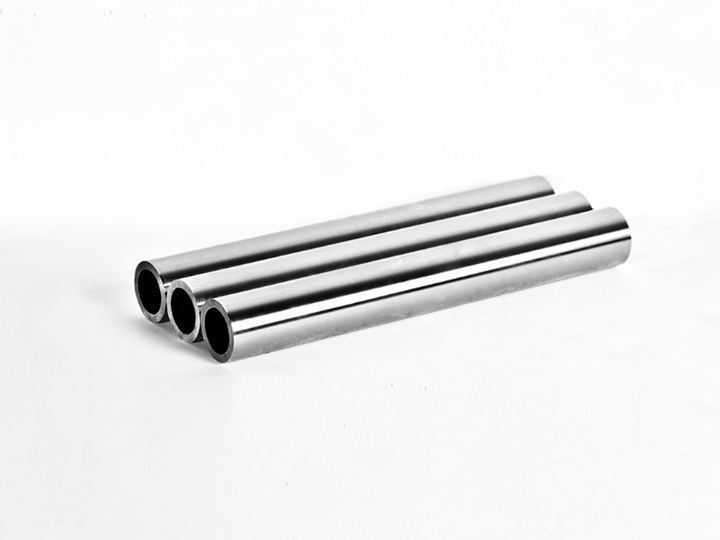
| Chrome Plated Hollow Rod | Hollow structure (d/D ratio 0.4–0.8), strength-to-weight ratio optimized, lightweight. | Weight-sensitive hydraulic cylinders, aerospace components. |
| Precision Chrome Plated Rod | Tight dimensional tolerance (ISO 286-2 h7), ultra-smooth surface (Ra ≤0.05 μm). | Precision hydraulic/pneumatic actuators, machine tools. |
| Hardened Chromed Rod | Substrate quenched/tempered (QT 600-800) + induction hardening, core hardness HRC 45–55. | Heavy-duty industrial machinery, high-load transmission. |
| Stainless Steel Chrome Plated Rod | 316L/17-4 PH substrate + chrome plating, dual corrosion resistance. | Marine equipment, chemical processing, medical devices. |
2. Industry-Specific Applications & Technical Requirements
2.1 Automotive & Transportation
CPSRs are integral to critical automotive systems, where reliability under dynamic loads and harsh environments is paramount:
- Shock Absorbers & Suspension Systems: Piston rods utilize CK45/C45E substrates with 0.05–0.10 mm chrome plating, ensuring low friction (μ ≤0.15) and resistance to road salts/moisture. Compliant with ISO 14726 for fatigue life (≥10⁶ cycles).
- Hydraulic Cylinders: Used in brake systems, power steering, and transmission components. Alloy steel (4140) variants withstand pressures up to 31.5 MPa, reducing energy loss via smooth surface finish.
- Commercial Vehicles: Heavy-duty truck/trailer hydraulic lift systems rely on hardened chromed rods to endure repeated load cycles (10⁸+) and outdoor corrosion.
2.2 Construction & Heavy Machinery
In construction equipment, CPSRs must withstand extreme loads, impact forces, and abrasive environments:
- Hydraulic Cylinders: Excavators, bulldozers, and cranes use CPSRs (OD 20–100 mm) as piston rods, with hardened chrome layers resisting wear from soil, gravel, and hydraulic fluid contamination.
- Tensioning Systems: Bridge construction and precast concrete applications utilize precision chromed rods for cable tensioning, leveraging high straightness (≤0.1 mm/m) and load-bearing capacity (up to 500 kN).
- Earthmoving Equipment: Loader arms and hydraulic actuators employ corrosion-resistant CPSRs, extending service intervals in humid/alkaline construction sites.
2.3 Industrial Hydraulic & Pneumatic Systems
CPSRs are the backbone of industrial actuation systems, optimizing efficiency and durability:
- Hydraulic Cylinders: Used in injection molding machines, hydraulic presses, and automated production lines. The chrome layer’s wear resistance reduces seal replacement frequency by 3–5x compared to unplated rods.
- Pneumatic Actuators: Precision chromed rods (Ra ≤0.1 μm) enable smooth, low-friction motion in robotic arms and conveyor systems, ensuring repeatability (±0.01 mm) in high-cycle applications (100+ cycles/min).
- Valve Stems & Pistons: Industrial valves utilize CPSRs for corrosion resistance against process fluids (oils, chemicals), complying with API 6D standards for oil/gas applications.
2.4 Medical & Laboratory Equipment
In medical/laboratory settings, CPSRs must meet strict hygiene, biocompatibility, and corrosion resistance requirements:
- Medical Devices: Hospital beds, surgical robots, and rehabilitation equipment use stainless steel (316L) CPSRs, featuring chemical inertness (compliant with ISO 10993) and easy sterilization (autoclave-compatible).
- Laboratory Apparatus: Chemical reactors, sample handling equipment, and analytical instruments rely on CPSRs for resistance to organic/inorganic reagents, with smooth surfaces preventing contamination buildup.
- Surgical Instruments: Precision chromed rods in laparoscopic tools and orthopedic devices offer high dimensional accuracy (±0.005 mm) and biocompatibility, ensuring patient safety.
2.5 Consumer & Commercial Equipment
CPSRs balance functionality and aesthetics in consumer-facing products:
- Furniture & Fixtures: Office chairs, table frames, and retail displays use CPSRs for corrosion resistance (humidity-resistant) and sleek appearance, with decorative chrome plating (Ra ≤0.1 μm) enhancing visual appeal.
- Fitness Equipment: Weightlifting bars, exercise machine actuators, and resistance training gear utilize hardened chromed rods (HRC 65–70) to withstand repeated impacts and user loads (up to 500 kg), complying with EN 957 safety standards.
- Appliances: Washing machine drums, refrigerator hinges, and HVAC components employ CPSRs for wear resistance and corrosion protection in moisture-prone environments.
3. Core Technical Advantages Driving Application Adoption
3.1 Superior Wear & Abrasion Resistance
The chrome layer’s high hardness (800–1000 HV) resists abrasive wear from contaminants, seal contact, and cyclic motion, extending component lifespan by 2–5x in industrial applications.
3.2 Exceptional Corrosion Protection
The chromium oxide (Cr₂O₃) passivation layer acts as a barrier against moisture, salts, and chemicals, enabling CPSRs to perform reliably in marine, industrial, and medical environments (compliant with ASTM B117 salt spray testing).
3.3 Low Frictional Coefficient
The ultra-smooth surface (Ra 0.05–0.2 μm) reduces frictional resistance (μ ≤0.15) between the rod and seals, improving system efficiency, reducing energy consumption, and minimizing seal degradation.
3.4 Dimensional Stability & Precision
CPSRs maintain tight tolerances (ISO 286-2 h7) and straightness (≤0.1 mm/m) under load, ensuring compatibility with precision machinery and repeatable performance in automated systems.
3.5 Cost-Effectiveness
Compared to alternative materials (titanium, ceramic-coated rods), CPSRs offer a lower total cost of ownership, combining affordable substrate materials with long service life and minimal maintenance requirements.
4. Standards & Compliance
CPSRs are manufactured and tested to international standards to ensure quality and performance:
- Material Standards: DIN EN 10083-2 (carbon steel), ASTM A29 (alloy steel), ASTM A564 (stainless steel).
- Plating Standards: ASTM B651 (chrome plating), DIN 50966 (hard chrome plating), ISO 4406 (hydraulic fluid cleanliness).
- Industry-Specific Standards: ISO 14726 (hydraulic cylinders), ISO 10993 (medical biocompatibility), API 6D (oil/gas valves).











 +86 13771119215