1. Introduction
In the context of global industrial upgrading and the pursuit of energy conservation, emission reduction, and lightweight design, the demand for high-performance, multi-functional structural components in fluid power transmission systems is constantly increasing. Cylinder barrels, as the core load-bearing and sealing component of air cylinders and hydraulic cylinders, directly determine the overall performance, reliability, and service life of the equipment. Traditional steel cylinder barrels have long been widely used due to their high strength, but their inherent defects such as heavy weight, poor corrosion resistance, and high energy consumption have gradually become incompatible with the development trends of lightweight, high-efficiency, and environmentally friendly equipment in modern industries.
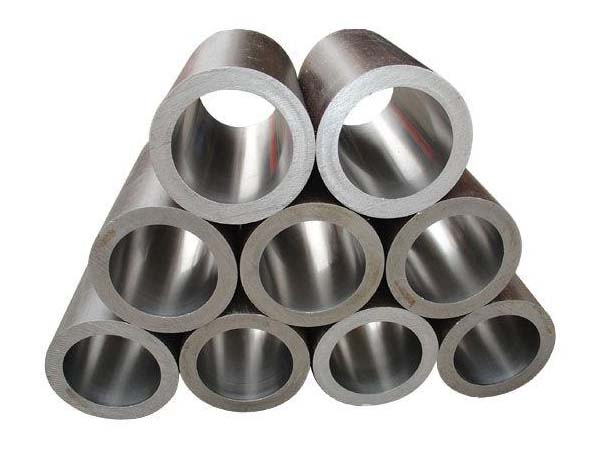
Aluminum cylinder barrels, relying on the excellent physical and chemical properties of aluminum and its alloys, have emerged as a viable alternative to steel cylinder barrels. With continuous advancements in aluminum alloy material technology and precision manufacturing processes, aluminum cylinder barrels have achieved breakthroughs in strength, wear resistance, and sealing performance, expanding their application scope from light-load, low-pressure scenarios to medium-load, medium-pressure even partial high-pressure scenarios. However, in practical applications, many problems still exist: inadequate understanding of the core advantages of aluminum cylinder barrels leads to improper application; neglect of material characteristics and manufacturing process requirements results in premature failure; lack of scientific selection guidelines leads to mismatching between aluminum cylinder barrels and application scenarios, affecting equipment performance and economic benefits.
Against this background, conducting a comprehensive technical analysis of aluminum cylinder barrels, clarifying their core advantages, application scenarios, manufacturing processes, and selection criteria, is of great practical significance for promoting the popularization and standardized application of aluminum cylinder barrels. This paper takes the core demand of ""rational application and scientific selection of aluminum cylinder barrels"" as the starting point, systematically sorts out the technical system of aluminum cylinder barrels, and provides valuable technical guidance for the design, manufacturing, selection, and use of aluminum cylinder barrels in various engineering projects.
2. Core Advantages of Aluminum Cylinder Barrels
The widespread application of aluminum cylinder barrels is closely related to their unique core advantages, which are derived from the physical, chemical, and mechanical properties of aluminum and its alloys. Compared with traditional steel cylinder barrels, aluminum cylinder barrels have obvious advantages in lightweight, corrosion resistance, thermal conductivity, and processing performance, while also having certain advantages in cost control and environmental protection. The following is a detailed elaboration of the core advantages of aluminum cylinder barrels, combined with comparative analysis with steel cylinder barrels.
2.1 Lightweight and Energy-Saving
The density of aluminum (2.7g/cm³) is only about 35% of that of steel (7.85g/cm³), which means that under the same structural size and load-bearing requirements, the weight of aluminum cylinder barrels is significantly lighter than that of steel cylinder barrels, reducing the overall weight of the equipment by 30%-50%. This lightweight advantage is particularly important in mobile equipment (such as automotive hydraulic systems, mobile cranes, and unmanned aerial vehicles) and equipment requiring frequent movement (such as industrial robots and automatic conveying equipment).
The lightweight design not only reduces the energy consumption of equipment operation (such as fuel consumption of mobile equipment and power consumption of electric equipment) but also reduces the load on the supporting components (such as brackets, shafts, and bearings), extending the service life of the entire equipment. In addition, the lightweight feature also facilitates the installation, transportation, and maintenance of the equipment, reducing labor intensity and maintenance costs.
2.2 Excellent Corrosion Resistance
Aluminum has good chemical stability, and a dense oxide film (Al₂O₃) can be formed on its surface in the natural environment, which can effectively prevent the internal aluminum from being corroded by air, water, and most chemical media. For harsh working environments (such as humid, corrosive, and marine environments), aluminum cylinder barrels can be further enhanced in corrosion resistance through surface treatment technologies (such as anodizing, electrophoretic coating, and chemical conversion coating), which is far superior to traditional steel cylinder barrels (which require regular anti-corrosion treatment such as painting and galvanizing).
This advantage enables aluminum cylinder barrels to be widely used in corrosive environments such as chemical plants, food processing plants, marine equipment, and outdoor engineering machinery, avoiding premature failure caused by corrosion and reducing the frequency of maintenance and replacement.
2.3 Superior Thermal Conductivity
The thermal conductivity of aluminum (about 237W/(m·K)) is much higher than that of steel (about 45W/(m·K)), which means that aluminum cylinder barrels have excellent heat dissipation performance. In fluid power transmission systems, the compression and movement of fluid will generate a certain amount of heat, and the aluminum cylinder barrel can quickly transfer the generated heat to the external environment, avoiding the overheating of the cylinder barrel and the internal fluid.
The excellent heat dissipation performance not only ensures the stable operation of the cylinder barrel and the sealing components (avoiding seal aging and failure caused by high temperature) but also improves the efficiency of the fluid power system and extends the service life of the entire system. This advantage is particularly prominent in high-speed, high-frequency, and high-load operation scenarios.
2.4 Good Machinability and Formability
Aluminum and its alloys have good machinability, with low cutting resistance, easy cutting, drilling, milling, and polishing, which can significantly improve the processing efficiency and reduce the processing cost. Compared with steel cylinder barrels, the processing cycle of aluminum cylinder barrels can be shortened by 20%-40%, and the processing accuracy is easier to control, which is conducive to mass production.
In addition, aluminum has good formability, and can be processed into various structural forms (such as thin-walled cylinder barrels, special-shaped cylinder barrels) through extrusion, forging, and other processes, meeting the diverse design needs of different equipment. This flexibility in processing and forming makes aluminum cylinder barrels suitable for customized production scenarios with complex structural requirements.
2.5 Cost-Effective and Environmentally Friendly
Although the unit price of aluminum alloy materials is slightly higher than that of ordinary carbon steel, the lightweight design of aluminum cylinder barrels can reduce the consumption of materials (under the same load-bearing requirements), and the high processing efficiency can reduce the processing cost. In the long run, the comprehensive cost of aluminum cylinder barrels is comparable to or even lower than that of steel cylinder barrels.
In addition, aluminum is a recyclable metal, with a high recycling rate and low energy consumption during recycling, which conforms to the concept of green and low-carbon development. The use of aluminum cylinder barrels can reduce the environmental pollution caused by equipment scrapping, which is more in line with the requirements of modern industrial environmental protection.
2.6 Comparative Analysis with Steel Cylinder Barrels
To further highlight the core advantages of aluminum cylinder barrels, the following is a comparative analysis of the key performance indicators between aluminum cylinder barrels and traditional steel cylinder barrels:
- Density and Weight: Aluminum cylinder barrels are 65% lighter than steel cylinder barrels, with obvious lightweight advantages.
- Corrosion Resistance: Aluminum cylinder barrels have inherent corrosion resistance and can be further enhanced through surface treatment; steel cylinder barrels are prone to rust and require regular anti-corrosion treatment.
- Thermal Conductivity: Aluminum cylinder barrels have 5-6 times higher thermal conductivity than steel cylinder barrels, with better heat dissipation performance.
- Machinability: Aluminum cylinder barrels have lower cutting resistance and higher processing efficiency than steel cylinder barrels.
- Strength: Steel cylinder barrels have higher absolute strength than aluminum cylinder barrels; however, aluminum alloy cylinder barrels can meet the strength requirements of most medium and light-load scenarios through material optimization and structural design.
- Cost: The comprehensive cost of aluminum cylinder barrels is comparable to that of steel cylinder barrels, and even has advantages in lightweight and high-efficiency scenarios.
3. Application Scenarios of Aluminum Cylinder Barrels
Due to their unique core advantages, aluminum cylinder barrels are widely used in various industries and scenarios, especially in scenarios requiring lightweight, corrosion resistance, good heat dissipation, and high processing precision. The following is a detailed elaboration of the typical application scenarios of aluminum cylinder barrels, analyzing the application characteristics and requirements of each scenario.
3.1 Industrial Automation
In the field of industrial automation, aluminum cylinder barrels are mainly used in air cylinders, hydraulic cylinders, and linear actuators, which are widely used in automatic feeding, material handling, positioning, clamping, and sorting processes. For example:
- Industrial Robots: The lightweight advantage of aluminum cylinder barrels can reduce the load of the robot arm, improve the movement speed and flexibility of the robot, and reduce energy consumption. At the same time, the good corrosion resistance and heat dissipation performance ensure the stable operation of the robot in the industrial environment.
- Automatic Conveying Equipment: Aluminum cylinder barrels are used in the driving mechanism of conveying equipment, which is lightweight and easy to install, and can adapt to the frequent start-stop and movement of the equipment. The corrosion resistance also ensures the service life of the equipment in the workshop environment with oil and dust.
- Precision Positioning Equipment: The good machinability of aluminum cylinder barrels ensures high processing precision, which can meet the high positioning precision requirements of precision equipment (such as electronic component processing equipment, semiconductor equipment).
3.2 Automotive Engineering
The automotive industry is one of the important application fields of aluminum cylinder barrels, mainly used in automotive hydraulic systems, pneumatic systems, and engine components, which is in line with the development trend of automotive lightweight. For example:
- Automotive Hydraulic Brake Systems: Aluminum cylinder barrels are used in master cylinders and wheel cylinders of hydraulic brake systems, which are lightweight and corrosion-resistant, can reduce the overall weight of the vehicle, improve fuel economy, and ensure the reliability of the brake system.
- Automotive Suspension Systems: Aluminum cylinder barrels are used in shock absorbers and hydraulic cylinders of suspension systems, with good heat dissipation performance, which can avoid the overheating of the shock absorber during long-term operation and improve the stability and comfort of the vehicle.
- Electric Vehicle (EV) Components: In electric vehicles, aluminum cylinder barrels are used in battery cooling systems, hydraulic control systems, etc., which are lightweight and energy-saving, helping to improve the cruising range of electric vehicles.
3.3 Aerospace
In the aerospace field, the requirements for equipment lightweight, high reliability, and corrosion resistance are extremely high, and aluminum cylinder barrels are widely used in aircraft hydraulic systems, pneumatic systems, and cabin components. For example:
- Aircraft Hydraulic Actuators: Aluminum cylinder barrels are used in hydraulic actuators of aircraft wings, landing gears, and other components, which are lightweight and high-strength, can reduce the weight of the aircraft, improve the flight performance, and the corrosion resistance can adapt to the harsh environment of high altitude and high humidity.
- Cabin Environmental Control Systems: Aluminum cylinder barrels are used in pneumatic cylinders of cabin environmental control systems, with good heat dissipation performance, which can ensure the stable operation of the system and improve the comfort of the cabin.
3.4 Medical Equipment
In the field of medical equipment, aluminum cylinder barrels are mainly used in medical devices requiring high precision, corrosion resistance, and cleanliness, such as:
- Medical Hydraulic/Pneumatic Equipment: Aluminum cylinder barrels are used in hydraulic and pneumatic components of medical robots, surgical instruments, and rehabilitation equipment, which are lightweight and easy to operate, and the corrosion resistance ensures the cleanliness and sterility of the equipment (can be sterilized by high temperature and high pressure).
- Medical Imaging Equipment: Aluminum cylinder barrels are used in the positioning mechanism of medical imaging equipment (such as CT scanners, MRI machines), with high processing precision and stable movement, which can ensure the accuracy of imaging.
3.5 Marine and Corrosive Environments
Due to their excellent corrosion resistance, aluminum cylinder barrels are widely used in marine equipment and corrosive environments, such as:
- Marine Hydraulic/Pneumatic Systems: Aluminum cylinder barrels are used in hydraulic cylinders and pneumatic cylinders of ships, offshore platforms, and other equipment, which can resist the corrosion of seawater and humid air, avoiding premature failure caused by corrosion.
- Chemical and Food Processing Equipment: Aluminum cylinder barrels are used in fluid control components of chemical plants and food processing plants, which are corrosion-resistant and non-toxic, and can adapt to the corrosive environment of chemical media and the clean environment of food processing.
3.6 Other Application Scenarios
In addition to the above fields, aluminum cylinder barrels are also used in other scenarios, such as:
- Construction Machinery: Used in hydraulic cylinders of small and medium-sized construction machinery (such as small excavators, loaders), which are lightweight and easy to maintain, reducing the energy consumption of the machinery.
- Electronic Equipment: Used in small pneumatic cylinders and linear actuators of electronic equipment (such as printers, packaging machines), with compact structure and high precision.
4. Manufacturing Processes of Aluminum Cylinder Barrels
The performance of aluminum cylinder barrels is closely related to their manufacturing processes. The manufacturing of aluminum cylinder barrels is a systematic process, including material selection, blank preparation, extrusion forming, precision machining, surface treatment, and quality inspection. Each process has strict technical requirements, and any link that does not meet the requirements will affect the performance and service life of the final product. The following is a detailed elaboration of the key manufacturing processes of aluminum cylinder barrels.
4.1 Material Selection
The selection of aluminum alloy materials is the foundation of manufacturing high-performance aluminum cylinder barrels. The selected aluminum alloy must have good mechanical properties (strength, toughness, wear resistance), machinability, corrosion resistance, and formability, and be matched with the application scenario and load requirements. Common aluminum alloy materials for aluminum cylinder barrels include:
- 6061 Aluminum Alloy: The most commonly used material for aluminum cylinder barrels, with good comprehensive performance, including moderate strength, excellent machinability, corrosion resistance, and formability. It is suitable for most medium and light-load application scenarios, such as industrial automation, automotive engineering, and medical equipment.
- 6063 Aluminum Alloy: With good formability and surface finish, it is suitable for manufacturing thin-walled aluminum cylinder barrels and cylinder barrels with high surface quality requirements, such as precision instruments and electronic equipment.
- 7075 Aluminum Alloy: A high-strength aluminum alloy, with high tensile strength and hardness, suitable for manufacturing aluminum cylinder barrels in high-load, high-pressure scenarios, such as aerospace and heavy-duty hydraulic equipment. However, its machinability and corrosion resistance are slightly worse than 6061 aluminum alloy, and it needs to be optimized through heat treatment and surface treatment.
- 5052 Aluminum Alloy: With excellent corrosion resistance and good formability, it is suitable for manufacturing aluminum cylinder barrels in corrosive environments, such as marine equipment and chemical plants.
In addition to selecting the appropriate aluminum alloy grade, the material must also meet the requirements of purity and uniformity, avoiding impurities and defects (such as inclusions, pores) that affect the performance of the cylinder barrel.
4.2 Blank Preparation
The blank of aluminum cylinder barrels is usually prepared by casting or extrusion billet. The quality of the blank directly affects the processing efficiency and final performance of the cylinder barrel.
- Casting Billet: Suitable for manufacturing large-scale, thick-walled aluminum cylinder barrels. The casting process includes sand casting, die casting, and permanent mold casting. Die casting has the advantages of high production efficiency, high precision, and good surface quality, and is widely used in mass production of aluminum cylinder barrels. However, attention should be paid to avoiding casting defects such as pores, shrinkage, and inclusions during the casting process.
- Extrusion Billet: Suitable for manufacturing thin-walled, high-precision aluminum cylinder barrels. The extrusion billet is prepared by heating the aluminum alloy ingot to the recrystallization temperature and then extruding it through an extruder. The extrusion billet has a uniform structure, high density, and good mechanical properties, which is conducive to subsequent precision machining.
4.3 Extrusion Forming
Extrusion forming is a key process for manufacturing aluminum cylinder barrels, which is used to form the blank into a cylindrical shape with a certain wall thickness and length. The extrusion process can be divided into hot extrusion and cold extrusion:
- Hot Extrusion: The aluminum alloy blank is heated to 400-500℃ (below the melting point of aluminum alloy) and then extruded through a die. Hot extrusion has the advantages of low extrusion force, good formability, and can form complex structural shapes. It is widely used in the manufacturing of aluminum cylinder barrels with different wall thicknesses and lengths.
- Cold Extrusion: The aluminum alloy blank is extruded at room temperature without heating. Cold extrusion has the advantages of high processing precision, good surface quality, and high mechanical properties (due to work hardening). However, the extrusion force is large, and it is suitable for manufacturing small-sized, thin-walled aluminum cylinder barrels.
During the extrusion process, it is necessary to control the extrusion temperature, extrusion speed, and die design to ensure the dimensional accuracy and structural uniformity of the cylinder barrel blank.
4.4 Precision Machining
Precision machining is the key process to ensure the dimensional accuracy, surface roughness, and sealing performance of aluminum cylinder barrels. The precision machining process mainly includes turning, boring, honing, and polishing:
- Turning: Used to process the outer surface of the cylinder barrel, ensuring the outer diameter, length, and coaxiality of the cylinder barrel. The turning process adopts high-precision lathes and cutting tools to ensure the dimensional accuracy of the outer surface.
- Boring: Used to process the inner surface of the cylinder barrel, ensuring the inner diameter, wall thickness, and roundness of the cylinder barrel. Boring is a key process to ensure the sealing performance of the cylinder barrel, and the machining precision directly affects the fit between the cylinder barrel and the piston.
- Honing: Used to further improve the surface roughness and roundness of the inner surface of the cylinder barrel. Honing adopts a honing head with abrasive stones, which can process the inner surface of the cylinder barrel into a uniform and smooth surface, reducing the friction between the piston and the cylinder barrel and improving the sealing performance.
- Polishing: Used to process the outer surface of the cylinder barrel, improving the surface finish and corrosion resistance. Polishing can be divided into mechanical polishing and chemical polishing, and the appropriate polishing method is selected according to the surface quality requirements.
During the precision machining process, it is necessary to control the machining accuracy, surface roughness, and coaxiality, and avoid machining defects such as scratches, burrs, and out-of-roundness.
4.5 Surface Treatment
Surface treatment is an important process to improve the corrosion resistance, wear resistance, and surface quality of aluminum cylinder barrels. Common surface treatment technologies for aluminum cylinder barrels include:
- Anodizing: The most commonly used surface treatment technology for aluminum cylinder barrels. Anodizing forms a dense oxide film on the surface of the aluminum cylinder barrel, which can significantly improve the corrosion resistance and wear resistance of the cylinder barrel. Anodizing can be divided into sulfuric acid anodizing, chromic acid anodizing, and hard anodizing. Hard anodizing can form a thicker and harder oxide film, which is suitable for scenarios requiring high wear resistance.
- Electrophoretic Coating: After anodizing, the aluminum cylinder barrel is immersed in the electrophoretic paint solution, and a uniform paint film is formed on the surface through electrophoresis. Electrophoretic coating has good adhesion, corrosion resistance, and surface finish, and is suitable for scenarios requiring high surface quality and corrosion resistance.
- Chemical Conversion Coating: A chemical reaction is used to form a thin chemical conversion film on the surface of the aluminum cylinder barrel, which can improve the corrosion resistance and adhesion of the surface. Chemical conversion coating is often used as a pre-treatment process before painting or anodizing.
- Electroplating: A layer of metal (such as chrome, nickel) is plated on the surface of the aluminum cylinder barrel through electroplating, which can improve the wear resistance and corrosion resistance of the cylinder barrel. However, electroplating has high cost and environmental pollution, and is only used in special scenarios.
4.6 Quality Inspection
Quality inspection is the last link in the manufacturing process of aluminum cylinder barrels, which is used to ensure that the product meets the design requirements and performance indicators. The quality inspection items mainly include:
- Dimensional Inspection: Inspect the inner diameter, outer diameter, wall thickness, length, coaxiality, and roundness of the cylinder barrel using measuring tools such as calipers, micrometers, and dial indicators.
- Surface Quality Inspection: Inspect the surface of the cylinder barrel for scratches, burrs, corrosion, and other defects, and detect the surface roughness using a surface roughness tester.
- Mechanical Performance Inspection: Inspect the tensile strength, hardness, and toughness of the cylinder barrel through tensile testing, hardness testing, and other methods.
- Sealing Performance Inspection: Test the sealing performance of the cylinder barrel by pressure testing, ensuring that there is no air leakage or oil leakage under the rated pressure.
- Corrosion Resistance Inspection: Test the corrosion resistance of the cylinder barrel through salt spray testing, acid-base testing, and other methods, ensuring that it can adapt to the working environment.
Only products that pass all quality inspection items can be put into use.
5. Selection Guidelines for Aluminum Cylinder Barrels
The rational selection of aluminum cylinder barrels is the premise of ensuring the safe and efficient operation of equipment. The selection of aluminum cylinder barrels must be based on the application scenario, load requirements, working environment, and economic benefits, comprehensively considering factors such as material grade, structural parameters, performance indicators, and manufacturing processes. The following is a detailed elaboration of the selection guidelines for aluminum cylinder barrels.
5.1 Selection Principles
The selection of aluminum cylinder barrels must follow the following core principles:
1. Performance Matching Principle: The performance of the selected aluminum cylinder barrel (strength, corrosion resistance, wear resistance, heat dissipation) must match the application scenario and load requirements. For high-load scenarios, select high-strength aluminum alloy materials; for corrosive environments, select corrosion-resistant aluminum alloy materials and surface treatment technologies.
2. Dimensional Matching Principle: The inner diameter, outer diameter, wall thickness, length, and other structural parameters of the aluminum cylinder barrel must match the piston, end cover, and other components of the equipment, ensuring the fit and sealing performance.
3. Environment Adaptation Principle: The selected aluminum cylinder barrel must adapt to the working environment (temperature, humidity, corrosion, dust), ensuring that it can work stably for a long time without premature failure.
4. Economy Principle: On the premise of meeting performance and application requirements, select aluminum cylinder barrels with high cost performance, considering factors such as material cost, processing cost, maintenance cost, and service life.
5. Standardization Principle: The selected aluminum cylinder barrel must meet relevant national standards and industry specifications, with complete quality certificates and inspection reports, ensuring product quality and reliability.
5.2 Key Selection Steps
The selection of aluminum cylinder barrels is a systematic process, which generally includes the following steps:
1. Determine the Application Scenario and Working Conditions: Clarify the application field (industrial automation, automotive, aerospace, etc.), working environment (temperature, humidity, corrosion, etc.), and load requirements (working pressure, load size, movement speed, etc.) of the aluminum cylinder barrel.
2. Select the Aluminum Alloy Material: According to the working conditions and load requirements, select the appropriate aluminum alloy grade. For example, 6061 aluminum alloy is selected for general medium and light-load scenarios; 7075 aluminum alloy is selected for high-load scenarios; 5052 aluminum alloy is selected for corrosive environments.
3. Determine the Structural Parameters: According to the equipment design requirements, determine the inner diameter, outer diameter, wall thickness, length, and coaxiality of the aluminum cylinder barrel. The wall thickness should be determined according to the working pressure and load, ensuring sufficient strength and rigidity.
4. Select the Surface Treatment Technology: According to the working environment, select the appropriate surface treatment technology. For example, anodizing is selected for general corrosion resistance requirements; hard anodizing is selected for high wear resistance requirements; electrophoretic coating is selected for high surface quality requirements.
5. Verify the Performance Indicators: Verify the key performance indicators of the selected aluminum cylinder barrel (strength, corrosion resistance, sealing performance, etc.), ensuring that they meet the working requirements. If the performance indicators do not meet the requirements, adjust the selection scheme.
6. Consider Economic Benefits: Compare the cost, service life, and maintenance cost of different aluminum cylinder barrels, select the product with the highest cost performance.
5.3 Key Selection Considerations
In the process of selecting aluminum cylinder barrels, the following key factors must be considered to avoid improper selection:
- Working Pressure: The working pressure of the aluminum cylinder barrel must be less than or equal to its rated pressure. For high-pressure scenarios, select high-strength aluminum alloy materials and increase the wall thickness appropriately.
- Working Temperature: The working temperature of the aluminum cylinder barrel should be within the range of the aluminum alloy material. The maximum working temperature of general aluminum alloy cylinder barrels is 120℃; for high-temperature scenarios, select high-temperature resistant aluminum alloy materials and surface treatment technologies.
- Corrosion Environment: For corrosive environments (such as seawater, chemical media), select corrosion-resistant aluminum alloy materials (such as 5052, 6061) and appropriate surface treatment technologies (such as anodizing, electrophoretic coating), and avoid using aluminum alloy materials with poor corrosion resistance.
- Sealing Performance: The inner surface roughness and roundness of the aluminum cylinder barrel directly affect the sealing performance. For high sealing requirements, select aluminum cylinder barrels with high precision machining and smooth inner surface.
- Compatibility with Other Components: The selected aluminum cylinder barrel must be compatible with the piston, seal, end cover, and other components, ensuring the fit and coaxiality, avoiding leakage and movement jamming.
5.4 Common Selection Mistakes and Avoidance Methods
In practical selection, the following common mistakes are often made, which need to be avoided:
- Mistake 1: Blindly Pursuing High Strength: Selecting high-strength aluminum alloy materials (such as 7075) for general light-load scenarios, resulting in increased cost and reduced machinability. Avoidance Method: Select the appropriate aluminum alloy material according to the load requirements, and do not blindly pursue high strength.
- Mistake 2: Neglecting Corrosion Resistance: Selecting aluminum alloy materials with poor corrosion resistance for corrosive environments, resulting in premature corrosion and failure. Avoidance Method: Clarify the working environment, select corrosion-resistant aluminum alloy materials and surface treatment technologies.
- Mistake 3: Ignoring Dimensional Matching: The structural parameters of the aluminum cylinder barrel do not match the other components, resulting in poor fit and sealing performance. Avoidance Method: Confirm the dimensional requirements of the equipment in advance, and select the aluminum cylinder barrel with matching dimensions.
- Mistake 4: Ignoring Surface Treatment: Not selecting appropriate surface treatment technologies, resulting in poor corrosion resistance and wear resistance. Avoidance Method: Select the appropriate surface treatment technology according to the working environment and performance requirements.









 Home
News
Industry News
Aluminum Cylinder Barrels: A Comprehensive Analysis Of Core Advantages, Application Scenarios, Manufacturing Processes, And Selection Guidelines
Home
News
Industry News
Aluminum Cylinder Barrels: A Comprehensive Analysis Of Core Advantages, Application Scenarios, Manufacturing Processes, And Selection Guidelines 
 +86 13771119215