1. Introduction
In modern industrial systems, fluid power transmission technology is widely used due to its advantages of large output force, stable operation, and flexible control. As the core executive component of fluid power systems, piston rods undertake the key task of force and motion transmission—connecting the piston inside the cylinder barrel with external loads, and converting the pressure energy of compressed air or hydraulic oil into linear mechanical energy to drive equipment to complete lifting, pushing, clamping, positioning, and other actions. Whether in industrial automation production lines, automotive hydraulic systems, aerospace actuators, or marine engineering equipment, piston rods are indispensable core components.
However, in practical operation, piston rods often face harsh working conditions such as high pressure, high speed, friction, corrosion, and impact loads, which easily lead to wear, corrosion, bending, and even fracture, affecting the normal operation of the equipment and causing economic losses. The root causes of these problems are often inadequate understanding of the core functions of piston rods, improper material selection that does not match the working environment, and lack of scientific maintenance and fault handling. Therefore, conducting in-depth research on piston rods, clarifying their core functions, optimizing material selection strategies, and formulating standardized maintenance guidelines are of great practical significance for improving the reliability of fluid power systems and promoting the stable development of related industries.
Against this background, this paper takes piston rods as the research object, systematically sorts out their core functions, material characteristics, and maintenance requirements, combines practical application scenarios to analyze key technical points, and provides professional technical support for the design, selection, use, and maintenance of piston rods. It is expected to help relevant practitioners avoid common mistakes, improve the service life and operational efficiency of piston rods, and further promote the upgrading and development of fluid power transmission technology.
2. Core Functions and Working Mechanisms of Piston Rods
The core value of
piston rods lies in their ability to reliably transmit force and motion, and their functions are closely related to the working principle of the fluid power system. Piston rods not only bear the pressure of the fluid acting on the piston but also drive external loads to complete linear movement, while ensuring the sealing performance of the cylinder and the stability of the movement process. The following is a detailed elaboration of the core functions and working mechanisms of piston rods.
2.1 Core Functions
- Force Transmission: This is the most basic and core function of piston rods. In air cylinders or hydraulic cylinders, compressed air or hydraulic oil acts on the piston to generate thrust or pull force. The piston rod transmits this force to the external load, driving the load to move linearly. The magnitude of the transmitted force is determined by the effective area of the piston and the pressure of the fluid, and the piston rod must have sufficient strength and rigidity to avoid deformation or fracture under the action of the load.
- Motion Transmission: While transmitting force, the piston rod also transmits the linear motion of the piston to the external load, ensuring that the load moves according to the specified trajectory, speed, and stroke. In high-precision application scenarios (such as precision positioning, micro-movement), the piston rod must have high straightness and coaxiality to avoid movement deviation and ensure the accuracy of the equipment.
- Sealing Auxiliary: The piston rod cooperates with the seal (such as oil seal, dust seal) installed on the cylinder end cover to form a sealed structure, preventing the leakage of compressed air or hydraulic oil from the gap between the piston rod and the end cover. At the same time, the piston rod also prevents external dust, impurities, and moisture from entering the cylinder barrel, protecting the internal components (such as piston, cylinder barrel) from wear and corrosion.
- Load Bearing and Guidance: In the movement process, the piston rod not only bears the axial force from the fluid and the load but also bears a certain radial force due to the eccentricity of the load or the installation deviation. Therefore, the piston rod must have good load-bearing capacity and guidance performance, ensuring stable movement without jamming or bending.
2.2 Working Mechanism
The working mechanism of piston rods is closely combined with the working process of the cylinder. Taking the most common double-acting hydraulic cylinder as an example, the working mechanism of the piston rod can be divided into two stages: extension and retraction:
1. Extension Stage: Hydraulic oil enters the rodless cavity of the cylinder through the control valve, and the pressure of the hydraulic oil rises rapidly, acting on the piston to generate a thrust force. When the thrust force is greater than the external load and the friction force, the piston drives the piston rod to extend outward, transmitting the linear motion and force to the external load, completing the specified action (such as pushing, lifting).
2. Retraction Stage: The control valve reverses, hydraulic oil enters the rod cavity of the cylinder, and the rodless cavity is connected to the oil return circuit. The hydraulic oil in the rod cavity acts on the piston to generate a pull force, driving the piston rod to retract inward, and the external load is reset. In this process, the piston rod must maintain good coaxiality with the cylinder barrel to ensure smooth movement and reliable sealing.
For single-acting cylinders, the extension or retraction of the piston rod is realized by the pressure of the fluid and the auxiliary force (such as spring force, gravity). The working mechanism of the piston rod is basically the same, but the force direction is unidirectional, which puts higher requirements on the fatigue resistance of the piston rod.
2.3 Key Performance Requirements for Piston Rods
To ensure the realization of core functions, piston rods must meet the following key performance requirements:
- Mechanical Strength: Including tensile strength, yield strength, and fatigue strength, which are the basis for bearing load and avoiding deformation or fracture. The piston rod must have sufficient strength to withstand the maximum working load and repeated alternating loads.
- Rigidity: The ability to resist deformation under the action of axial and radial forces. High rigidity ensures that the piston rod does not bend or deflect during movement, avoiding jamming and affecting the movement accuracy.
- Wear Resistance: The surface of the piston rod is in contact with the seal and the guide sleeve, and long-term friction will cause wear. Good wear resistance can reduce the wear rate, extend the service life of the piston rod and the seal, and ensure the sealing performance.
- Corrosion Resistance: In harsh working environments (such as humid, corrosive, marine environments), the piston rod is easily corroded by air, water, chemical media, etc. Corrosion resistance can avoid surface damage, ensure the mechanical performance and sealing performance of the piston rod.
- Precision: Including straightness, coaxiality, and surface roughness. High precision ensures the smooth movement of the piston rod, reduces friction loss, and improves the positioning accuracy of the equipment.
3. Material Selection for Piston Rods
The material of the piston rod directly determines its mechanical performance, wear resistance, corrosion resistance, and service life. The selection of piston rod materials must be based on the working environment, load requirements, movement speed, and precision requirements, comprehensively considering factors such as material performance, processing difficulty, and cost. The following is a detailed elaboration of the key factors affecting material selection, common piston rod materials, and their selection principles.
3.1 Key Factors Affecting Material Selection
- Working Load and Pressure: The magnitude of the working load and the working pressure of the cylinder directly determine the required strength and rigidity of the piston rod. For high-load, high-pressure scenarios (such as heavy-duty hydraulic equipment), materials with high tensile strength and yield strength must be selected; for light-load, low-pressure scenarios, materials with moderate strength can be selected to reduce cost.
- Working Environment: The working environment is a key factor affecting the corrosion resistance of the piston rod. For dry, clean environments, common carbon steel or alloy steel can be used; for humid, corrosive environments (such as chemical plants, marine equipment), corrosion-resistant materials (such as stainless steel, titanium alloy) or surface-treated materials must be selected.
- Movement Speed and Frequency: High movement speed and frequent reciprocating movement will increase the friction between the piston rod and the seal, requiring the material to have good wear resistance and fatigue strength. For high-speed, high-frequency scenarios, materials with high hardness and wear resistance (such as alloy steel with heat treatment) are preferred.
- Precision Requirements: For high-precision application scenarios (such as precision positioning, medical equipment), the material must have good machinability and stability, ensuring that the piston rod can achieve high straightness, coaxiality, and surface roughness after processing.
- Cost and Processing Difficulty: On the premise of meeting performance requirements, materials with low cost and easy processing should be selected to reduce production and processing costs. For example, carbon steel is cheaper and easier to process than alloy steel, but its strength and corrosion resistance are relatively poor.
3.2 Common Piston Rod Materials and Their Characteristics
At present, the common materials used for piston rods mainly include carbon steel, alloy steel, stainless steel, and non-ferrous alloys. Each material has its unique performance characteristics and applicable scopes, which are detailed as follows:
3.2.1 Carbon Steel
Carbon steel is the most commonly used material for piston rods in general scenarios, with the advantages of low cost, easy processing, and good mechanical properties. Common types include 45# steel, Q235 steel, etc.
- 45# Steel: A medium carbon steel with moderate tensile strength (≥600MPa) and yield strength (≥355MPa), good machinability and heat treatment performance. After quenching and tempering treatment, its strength and hardness can be further improved, and it is suitable for general medium-load, low-pressure scenarios (such as industrial automation air cylinders, small hydraulic equipment).
- Q235 Steel: A low carbon steel with low strength (tensile strength ≥375MPa), good toughness and machinability, low cost. It is suitable for light-load, low-pressure scenarios (such as small-scale pneumatic cylinders, non-critical transmission components).
The disadvantage of carbon steel is poor corrosion resistance, and it is easy to rust in humid environments. Therefore, surface treatment (such as chrome plating, zinc plating) is usually required to improve its corrosion resistance.
3.2.2 Alloy Steel
Alloy steel is added with alloying elements (such as chromium, nickel, molybdenum) on the basis of carbon steel, which has higher strength, hardness, wear resistance, and fatigue strength than carbon steel. It is suitable for high-load, high-pressure, high-speed scenarios.
- 40Cr Steel: A common alloy structural steel, containing chromium element, which has high tensile strength (≥980MPa), yield strength (≥785MPa), and good hardenability and wear resistance. After quenching and tempering treatment, it is widely used in high-load, medium-pressure scenarios (such as hydraulic cylinders of construction machinery, automotive suspension systems).
- 30CrMnTi Steel: A high-strength alloy steel, containing chromium, manganese, titanium elements, with high tensile strength (≥1180MPa), yield strength (≥835MPa), and excellent fatigue strength and wear resistance. It is suitable for high-load, high-frequency, high-precision scenarios (such as aerospace actuators, heavy-duty hydraulic equipment).
- 20CrMo Steel: A low-alloy steel, containing chromium and molybdenum elements, with good toughness, high-temperature resistance, and wear resistance. It is suitable for high-temperature, high-pressure scenarios (such as high-temperature hydraulic systems, engine components).
The disadvantage of alloy steel is higher cost and more complex processing than carbon steel, and it also needs surface treatment to improve corrosion resistance in corrosive environments.
3.2.3 Stainless Steel
Stainless steel has excellent corrosion resistance, wear resistance, and high-temperature resistance, and is suitable for corrosive, humid, and high-temperature working environments. Common types include 304 stainless steel, 316 stainless steel, etc.
- 304 Stainless Steel: Austenitic stainless steel, with good corrosion resistance, machinability, and toughness, suitable for general corrosive environments (such as chemical plants, food processing equipment). Its tensile strength is ≥515MPa, which can meet the requirements of medium and light-load scenarios.
- 316 Stainless Steel: On the basis of 304 stainless steel, molybdenum element is added, which has better corrosion resistance (especially resistance to seawater and chemical media), and is suitable for harsh corrosive environments (such as marine equipment, chemical reaction vessels). Its tensile strength is ≥515MPa, and it has good high-temperature resistance.
The disadvantage of stainless steel is higher cost than carbon steel and alloy steel, and its strength is slightly lower than that of high-strength alloy steel, which is not suitable for ultra-high-load scenarios.
3.2.4 Non-Ferrous Alloys
Non-ferrous alloys are mainly used in special scenarios requiring lightweight, high corrosion resistance, and high precision, such as aerospace, medical equipment. Common types include titanium alloy, aluminum alloy, etc.
- Titanium Alloy (Ti-6Al-4V): A high-performance alloy with lightweight (density 4.5g/cm³), high strength (tensile strength ≥900MPa), excellent corrosion resistance, and high-temperature resistance. It is suitable for high-precision, high-reliability scenarios (such as aerospace piston rods, medical equipment).
- Aluminum Alloy (6061, 7075): Lightweight (density 2.7g/cm³), good machinability and corrosion resistance, suitable for lightweight, low-load scenarios (such as small pneumatic cylinders, electric vehicle components). However, its strength is relatively low, and it is not suitable for high-load scenarios.
The disadvantage of non-ferrous alloys is high cost, complex processing, and limited application scope.
3.3 Material Selection Principles
When selecting piston rod materials, the following core principles must be followed to ensure that the material matches the application scenario and meets the performance requirements:
1. Performance Matching Principle: The material performance (strength, rigidity, wear resistance, corrosion resistance) must match the working load, pressure, speed, and environment. For example, high-strength alloy steel is selected for high-load scenarios; stainless steel is selected for corrosive environments; titanium alloy is selected for high-precision, lightweight scenarios.
2. Economy Principle: On the premise of meeting performance requirements, materials with low cost and easy processing should be selected to reduce production and maintenance costs. For example, 45# steel is selected for general medium-load scenarios instead of high-cost alloy steel or stainless steel.
3. Processing Feasibility Principle: The selected material must have good machinability and heat treatment performance, ensuring that the piston rod can be processed to the required precision and surface quality. For example, materials with poor machinability (such as high-hardness alloy steel) should be avoided in scenarios requiring high precision.
4. Long-Term Reliability Principle: The material must have good fatigue strength and durability, ensuring that the piston rod can work stably for a long time under repeated alternating loads, reducing the frequency of replacement and maintenance.
4. Professional Maintenance Guidelines for Piston Rods
Scientific and standardized maintenance is the key to extending the service life of piston rods, reducing failure rates, and ensuring the safe and efficient operation of equipment. The maintenance of piston rods should focus on daily inspection, lubrication, corrosion prevention, and timely fault diagnosis and repair, aiming to avoid potential faults and ensure the stable performance of piston rods. The following is a detailed elaboration of the professional maintenance guidelines for piston rods.
4.1 Daily Inspection and Monitoring
Daily inspection is the first line of defense to find potential faults of piston rods. Operators should conduct comprehensive inspections before, during, and after equipment operation, focusing on the following items:
1. Surface Inspection: Check the surface of the piston rod for scratches, wear, corrosion, dents, and other defects. If there are slight scratches or wear, it should be polished in time; if there are severe corrosion or dents, the piston rod should be replaced to avoid affecting the sealing performance and mechanical strength.
2. Movement Inspection: Observe the movement of the piston rod during operation, check whether there is jamming, deviation, or abnormal vibration. If the movement is not smooth or there is abnormal vibration, check the coaxiality of the piston rod and the cylinder barrel, the wear of the guide sleeve, and the tightness of the fixing bolts.
3. Sealing Inspection: Check whether there is oil leakage or air leakage at the connection between the piston rod and the cylinder end cover. If there is leakage, check whether the seal is worn or damaged, and replace the seal in time.
4. Load and Pressure Inspection: Monitor the working load and pressure of the piston rod, ensure that it does not exceed the rated load and pressure, and avoid overload causing deformation or fracture of the piston rod.
The inspection results should be recorded in detail, and regular statistical analysis should be carried out to find the law of fault occurrence and optimize the maintenance plan.
4.2 Lubrication Maintenance
Lubrication is an important measure to reduce friction between the piston rod and the seal, guide sleeve, and other components, improve wear resistance, and extend service life. The lubrication maintenance of piston rods should follow the following requirements:
1. Select the Appropriate Lubricant: According to the working environment, load, and temperature, select the appropriate lubricant (such as lubricating oil, grease). For high-speed, high-load scenarios, select lubricants with high viscosity and good wear resistance; for corrosive environments, select anti-corrosion lubricants.
2. Control the Lubrication Cycle and Dosage: The lubrication cycle should be determined according to the working frequency and environment. For general scenarios, lubrication should be carried out once a week; for high-speed, high-frequency scenarios, lubrication should be carried out once a day. The dosage of lubricant should be appropriate, too much will cause oil accumulation and pollution, too little will not achieve the lubrication effect.
3. Lubrication Method: Apply lubricant evenly on the surface of the piston rod and the contact surface of the seal and guide sleeve. For sealed piston rods, lubricant can be added through the oil injection hole of the cylinder end cover to ensure that the lubricant can fully penetrate into the contact surface.
4.3 Corrosion Prevention Measures
Corrosion is one of the main factors affecting the service life of piston rods. For different working environments, corresponding corrosion prevention measures should be taken:
1. Surface Treatment: For piston rods made of carbon steel or alloy steel, surface treatment technologies (such as chrome plating, zinc plating, anodizing) should be adopted to form a protective film on the surface, isolating the piston rod from the corrosive medium. For example, chrome plating can significantly improve the wear resistance and corrosion resistance of the piston rod surface.
2. Environmental Control: For equipment working in humid, corrosive environments, measures should be taken to control the environment, such as installing protective covers to prevent dust, moisture, and chemical media from contacting the piston rod; regularly cleaning the surface of the piston rod to remove corrosive substances.
3. Regular Anti-Corrosion Inspection: Regularly check the surface protective film of the piston rod for damage or peeling. If there is damage, repair it in time (such as re-plating, painting) to avoid corrosion of the base material.
4.4 Common Fault Diagnosis and Repair
In the process of using piston rods, common faults such as wear, corrosion, bending, and fracture may occur. Timely diagnosis and repair can avoid the expansion of faults and reduce economic losses. The following are common faults, causes, and repair methods:
4.4.1 Fault 1: Surface Wear
- Causes: Long-term friction between the piston rod and the seal, guide sleeve; insufficient lubrication; external impurities entering the contact surface; improper material selection.
- Repair Methods: For slight wear, polish the surface of the piston rod with abrasive paper to remove burrs and uneven wear; for severe wear, use thermal spraying, electroplating, or other methods to repair the surface, or replace the piston rod.
4.4.2 Fault 2: Corrosion
- Causes: Working in corrosive environments; damage to the surface protective film; insufficient corrosion prevention measures.
- Repair Methods: Remove the corroded part with a grinder, polish the surface, and then re-perform surface treatment (such as chrome plating, painting); if the corrosion is severe and affects the mechanical strength, replace the piston rod.
4.4.3 Fault 3: Bending or Deflection
- Causes: Overload operation; eccentric load; installation deviation; impact load during movement.
- Repair Methods: For slight bending, use a press to correct the piston rod, and check the straightness after correction; for severe bending or deflection, replace the piston rod to avoid jamming or seal damage during movement.
4.4.4 Fault 4: Fracture
- Causes: Ultra-high load or impact load; material fatigue; insufficient strength of the piston rod; improper heat treatment.
- Repair Methods: Once the piston rod is fractured, it cannot be repaired, and must be replaced with a new piston rod of the same model and material. At the same time, check the cause of the fracture, and take measures to avoid similar faults (such as reducing load, optimizing installation).
4.5 Maintenance Safety Precautions
When performing maintenance on piston rods, the following safety precautions must be observed to avoid personal injury or equipment damage:
- Before maintenance, cut off the power supply and air supply/hydraulic supply of the equipment, and release the pressure in the cylinder to ensure that the piston rod is in a static state.
- Use special tools for maintenance, and avoid using improper tools that may damage the piston rod surface or other components.
- When replacing the piston rod or seal, ensure that the new component matches the model and specification of the equipment, and install it correctly according to the installation requirements.
- After maintenance, test the equipment empty to check whether the piston rod moves smoothly, whether there is leakage, and confirm that there is no fault before putting it into formal operation.
5. Development Trends of Piston Rod Technology
With the continuous advancement of industrial automation, intelligent manufacturing, and material science, piston rod technology is developing in the direction of high precision, high strength, corrosion resistance, lightweight, and intelligence. The main development trends are as follows:
- High-Precision Manufacturing: With the development of CNC machining, grinding, and polishing technologies, the processing precision of piston rods is continuously improved, and the straightness, coaxiality, and surface roughness can reach higher standards, meeting the high-precision requirements of intelligent equipment and precision instruments.
- Advanced Material Application: New high-performance materials (such as high-strength alloy steel, composite materials, and titanium alloy) are continuously applied to piston rods, improving their strength, wear resistance, and corrosion resistance, and expanding their application scope to ultra-high-load, ultra-high-temperature, and ultra-corrosive scenarios.
- Surface Treatment Technology Upgrade: New surface treatment technologies (such as ceramic coating, PVD coating, and laser cladding) are continuously developed and applied, which can further improve the wear resistance, corrosion resistance, and service life of piston rods, and adapt to more harsh working environments.
- Intelligent Monitoring and Maintenance: The integration of sensors, Internet of Things, and big data technologies into piston rods realizes real-time monitoring of the working status (such as wear, corrosion, stress) of piston rods, fault early warning, and remote diagnosis, reducing the labor intensity of maintenance and improving the reliability of equipment operation.
- Lightweight and Integration Design: Through structural optimization and material innovation, the weight of piston rods is further reduced, and the integration of piston rods and other components (such as sensors, buffers) is realized, improving the overall efficiency and compactness of the equipment, and meeting the lightweight requirements of mobile equipment and aerospace equipment.
6. Conclusion
Piston rods, as the core transmission component of fluid power systems, play a crucial role in industrial automation, automotive engineering, aerospace, and other fields, and their core functions of force transmission, motion transmission, sealing assistance, and load bearing directly determine the overall performance and reliability of the equipment. The selection of piston rod materials must be based on the working environment, load requirements, and precision requirements, comprehensively considering the performance, cost, and processing feasibility of the material, and selecting the appropriate material to ensure the stable operation of the piston rod.
Scientific and standardized maintenance is the key to extending the service life of piston rods. Through daily inspection, regular lubrication, effective corrosion prevention, and timely fault diagnosis and repair, potential faults can be avoided, the failure rate of piston rods can be reduced, and the operational efficiency and safety of the equipment can be improved. With the continuous advancement of technology, piston rod technology will develop towards high precision, high strength, corrosion resistance, lightweight, and intelligence, and its application scope will be further expanded.
It is hoped that this paper can help relevant practitioners fully grasp the core knowledge of piston rods, including their core functions, material selection principles, and maintenance methods, promote the standardized, safe, and efficient application of piston rods, and make greater contributions to the development of modern industrial equipment towards high efficiency, stability, and intelligence.









 Home
News
Industry News
Piston Rods: Core Functions, Material Selection, And Professional Maintenance Guidelines
Home
News
Industry News
Piston Rods: Core Functions, Material Selection, And Professional Maintenance Guidelines 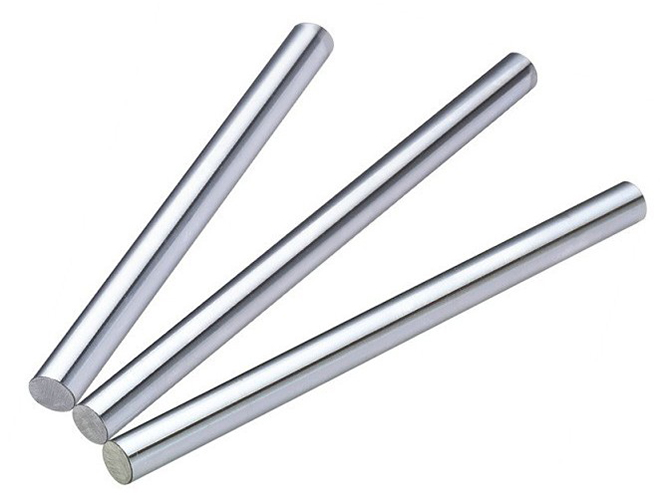

 +86 13771119215