The hydraulic cylinder barrel is the core structural component of a hydraulic cylinder, serving as the outer shell that houses the piston, piston rod, and hydraulic fluid. It plays a critical role in converting hydraulic energy into linear mechanical energy by withstanding high internal pressure, guiding the piston’s reciprocating motion, and ensuring leak-proof operation. As a key part of hydraulic systems, the hydraulic cylinder barrel directly determines the performance, reliability, and service life of the entire hydraulic cylinder, which is widely used in construction machinery, industrial equipment, automotive, aerospace, and other fields. Unlike ordinary cylindrical tubes, hydraulic cylinder barrels require strict dimensional precision, high pressure-bearing capacity, and excellent wear resistance to adapt to harsh working environments such as high pressure, frequent motion, and corrosive media. This article comprehensively explores the definition, design principles, manufacturing process, core properties, types, typical applications, and maintenance guidelines of hydraulic cylinder barrels, providing practical technical insights for engineers, procurement personnel, and maintenance technicians.
I. What is a Hydraulic Cylinder Barrel? Core Definition and Design Principles
A hydraulic cylinder barrel, also known as a hydraulic cylinder tube or cylinder bore, is a cylindrical component designed to contain hydraulic fluid and guide the piston’s linear motion within a hydraulic cylinder. It is the primary pressure-bearing part of the hydraulic cylinder, responsible for withstanding the high pressure generated by the hydraulic fluid (typically 10~350 MPa) and ensuring that the piston moves smoothly and evenly without eccentricity or jamming. The design and performance of the hydraulic cylinder barrel are closely related to the overall efficiency and safety of the hydraulic system, as any defect (such as surface scratches, dimensional deviations, or material fatigue) can lead to fluid leakage, reduced system efficiency, or even cylinder failure.
1. Core Design Principles
The design of hydraulic cylinder barrels follows three key principles to ensure optimal performance and reliability:
- Pressure-Bearing Capacity: The barrel must be designed to withstand the maximum working pressure of the hydraulic system, considering factors such as material strength, wall thickness, and structural design. The wall thickness is calculated based on the internal pressure, outer diameter, and material yield strength to prevent deformation or burst under high pressure.
- Dimensional Precision and Geometric Accuracy: The inner surface of the barrel must have strict dimensional tolerance and geometric accuracy (roundness, straightness, and cylindricity) to ensure a tight fit with the piston and seals. This minimizes fluid leakage and reduces friction between the piston and barrel, extending service life.
- Compatibility with Mating Components: The barrel must be compatible with other hydraulic cylinder components, including the piston, piston rod, seals, end caps, and ports. The inner diameter, length, and port positions are designed to match the piston size and hydraulic system layout, ensuring smooth assembly and operation.
2. Key Design Parameters
The design of hydraulic cylinder barrels involves several critical parameters that directly affect performance:
- Inner Diameter (Bore Diameter): Determines the output force of the hydraulic cylinder (F = P × A, where F is force, P is pressure, and A is the effective piston area). Common inner diameters range from 20 mm to 500 mm, with larger diameters used for heavy-load applications.
- Wall Thickness: Calculated based on the maximum working pressure and material strength, typically ranging from 5 mm to 50 mm. Thicker walls are required for high-pressure applications to prevent deformation.
- Length: Determines the stroke of the hydraulic cylinder (the maximum distance the piston can move). The length is designed based on the application’s required stroke, with additional length for end caps and mounting structures.
- Surface Finish: The inner surface finish is critical for reducing friction and preventing seal wear. The recommended surface roughness is Ra ≤ 0.1 μm for high-precision applications, achieved through honing or rolling processes.
- Port Design: The barrel is equipped with inlet and outlet ports for hydraulic fluid, designed to minimize flow resistance and ensure uniform fluid distribution. Port sizes and positions are matched to the hydraulic system’s flow rate and layout.
II. Manufacturing Process of Hydraulic Cylinder Barrels
The manufacturing of hydraulic cylinder barrels involves a series of precision processes, from material selection to final finishing, with strict quality control at each stage to ensure pressure-bearing capacity, dimensional precision, and surface quality. The key steps are as follows, incorporating efficient processing technologies to enhance performance and production efficiency:
1. Material Selection
The choice of base material is critical for the hydraulic cylinder barrel’s performance, as it must withstand high pressure, wear, and corrosion. Common materials include:
- Carbon Steel: The most widely used material, including 10#, 20#, 35#, and 45# carbon steel. 45# carbon steel is preferred for general hydraulic cylinders due to its high strength, good toughness, and cost-effectiveness. It is suitable for medium-pressure applications (≤ 160 MPa) such as agricultural machinery and light industrial equipment.
- Alloy Steel: Used for high-pressure, heavy-load applications, including 40Cr, 27SiMn, and 37Mn5 alloy steel. These materials offer enhanced strength, fatigue resistance, and heat resistance, making them suitable for high-pressure hydraulic cylinders (160~350 MPa) in construction machinery, heavy equipment, and aerospace systems. 40Cr alloy steel, in particular, is widely used for high-precision hydraulic cylinder barrels due to its excellent mechanical properties and machinability.
- Stainless Steel: Used for corrosive environments, including 304, 316, and 316L stainless steel. These materials offer superior corrosion resistance, making them suitable for hydraulic cylinders in marine, chemical, and food processing industries. Stainless steel barrels are also used in medical equipment due to their hygiene and corrosion resistance.
The chemical composition of the base material is strictly controlled to ensure mechanical properties; for example, 45# carbon steel has a carbon content of 0.42~0.50%, silicon content of 0.17~0.37%, and manganese content of 0.50~0.80%, providing optimal strength and toughness for hydraulic applications.
2. Preliminary Processing
This stage prepares the base material for precision machining, ensuring uniform structure and approximate dimensions:
- Cutting and Straightening: The base metal tube (seamless or welded) is cut to the required length using a bandsaw or plasma cutter. It is then subjected to preliminary straightening to reduce bending deformation, which could affect subsequent machining accuracy.
- Heat Treatment: The cut tube undergoes annealing or normalizing heat treatment to eliminate internal stress, improve material toughness, and enhance machinability. For alloy steel barrels, quenching and tempering are performed to achieve the desired hardness (HRC 28~32) and strength.
- Surface Cleaning: The tube is cleaned to remove oil, rust, oxide layers, and impurities from the inner and outer surfaces. The cleaning process includes alkaline degreasing (50~60℃) to remove oil stains, acid pickling (10%~20% hydrochloric or sulfuric acid) to remove oxide layers, and ultrasonic cleaning (40kHz) to eliminate tiny pores and contaminants. Clean surfaces ensure uniform machining and prevent surface defects.
3. Precision Machining
This is the core stage of manufacturing, focusing on achieving strict dimensional precision and surface quality. The key processes include:
- Drilling or Boring: The inner surface of the tube is drilled or bored to achieve the approximate inner diameter. Boring is preferred for large-diameter barrels, as it ensures better roundness and cylindricity. For deep-hole barrels (length-to-diameter ratio > 10), deep-hole boring machines are used to avoid eccentricity.
- Honing: The most critical finishing process for hydraulic cylinder barrels, used to refine the inner surface and correct dimensional deviations. Honing uses abrasive stones to remove small amounts of material, achieving a smooth surface finish (Ra ≤ 0.1 μm) and strict dimensional tolerance (H7~H9). The honing process is divided into rough honing and fine honing: rough honing corrects geometric deviations (ellipticity, taper), while fine honing achieves the final surface finish and accuracy. Honed barrels have a cold-worked hardening layer on the inner surface, improving wear resistance and fatigue strength.
- Rolling Processing (Optional): An efficient alternative or supplement to honing, rolling uses a rolling tool to press the inner surface of the barrel, forming a cold-worked hardening layer. This process reduces surface roughness (Ra ≤ 0.08 μm), increases surface hardness by 30%, and improves fatigue strength by 25%. Rolling is more efficient than honing—processing 1 meter of barrel takes 10~30 minutes, compared to 1~2 days for honing—and reduces production costs. Additionally, rolling eliminates sharp micro-edges on the inner surface, preventing damage to seals during piston motion.
- Port Machining: Inlet and outlet ports are drilled and tapped on the barrel, with strict control of port size and position to ensure compatibility with hydraulic hoses and fittings. The ports are deburred to prevent fluid turbulence and seal damage.
4. Post-Processing and Quality Inspection
After precision machining, the barrel undergoes post-processing to enhance performance and ensure quality:
- Surface Treatment: Depending on the application environment, the barrel may undergo surface treatments to enhance corrosion resistance and wear resistance. Common treatments include:
- Phosphating: Forms a protective layer that improves corrosion resistance and enhances lubricant adhesion, widely used in hydraulic cylinders to reduce friction and extend seal life.
- Chrome Plating: The outer (and sometimes inner) surface is chrome-plated to enhance corrosion resistance and wear resistance, suitable for humid, corrosive, or high-wear environments.
- Painting: Applies a protective paint layer to the outer surface to prevent corrosion, commonly used in construction machinery and outdoor equipment.
- Precision Inspection: The finished barrel is inspected for:
- Dimensional Accuracy: Inner diameter, wall thickness, length, and port position are measured using micrometers, calipers, and coordinate measuring machines (CMM).
- Surface Quality: Surface roughness is measured using a surface roughness tester, and visual inspection is performed to check for scratches, pits, or cracks.
- Geometric Accuracy: Roundness, straightness, and cylindricity are measured using a roundness tester and straightness meter.
- Mechanical Properties: Hardness and tensile strength are tested to ensure compliance with design requirements.
- Pressure Testing: The barrel is subjected to a hydrostatic test (1.5 times the maximum working pressure) to check for leaks and deformation, ensuring pressure-bearing capacity.
III. Core Properties of Hydraulic Cylinder Barrels
The hydraulic cylinder barrel’s performance is determined by its material, manufacturing process, and design, with the following core properties ensuring reliable operation in harsh industrial environments:
- High Pressure-Bearing Capacity: The barrel can withstand working pressures ranging from 10 MPa to 350 MPa, depending on the material and wall thickness. Alloy steel barrels with thick walls are capable of withstanding ultra-high pressures (≥ 250 MPa) for heavy-load applications such as hydraulic presses and construction machinery.
- Exceptional Surface Quality: The inner surface has a smooth finish (Ra ≤ 0.1 μm) and strict geometric accuracy, minimizing friction between the piston and barrel. This reduces wear on the piston and seals, prevents fluid leakage, and ensures smooth, quiet operation.
- Enhanced Wear Resistance: The honing or rolling process forms a cold-worked hardening layer on the inner surface, increasing surface hardness (HV ≥ 300) and improving wear resistance. This allows the barrel to withstand frequent reciprocating motion (up to 100 cycles per minute) without surface damage.
- Good Fatigue Strength: The residual compressive stress generated by honing or rolling improves the barrel’s fatigue strength by 25~30%, preventing fatigue cracks and extending service life. This is critical for applications with frequent cyclic loads, such as construction machinery and automated equipment.
- Corrosion Resistance: Surface treatments (phosphating, chrome plating) and corrosion-resistant materials (stainless steel) ensure the barrel can withstand humid, corrosive, or marine environments. This prevents rust and corrosion, which can lead to fluid leakage and structural failure.
- High Dimensional Stability: The barrel maintains its dimensional accuracy and geometric shape under high pressure and temperature changes, ensuring consistent performance over time. This is achieved through strict material selection and heat treatment.
IV. Main Types of Hydraulic Cylinder Barrels
Hydraulic cylinder barrels are classified into various types based on material, structure, processing method, and application requirements. Each type is tailored to specific industrial needs:
1. Based on Base Material
-
Carbon Steel Hydraulic Cylinder Barrels: The most common type, using 10#, 20#, 35#, or 45# carbon steel. They are cost-effective, have good machinability, and are suitable for medium-pressure applications (≤ 160 MPa) such as agricultural machinery, light industrial equipment, and small hydraulic systems. 45# carbon steel barrels are widely used due to their balanced strength and toughness.
- Alloy Steel Hydraulic Cylinder Barrels: Using 40Cr, 27SiMn, or 37Mn5 alloy steel, these barrels offer enhanced strength, fatigue resistance, and heat resistance. They are suitable for high-pressure (160~350 MPa), heavy-load applications such as construction machinery (excavators, cranes, loaders), industrial hydraulic presses, and aerospace hydraulic systems. 40Cr alloy steel barrels are preferred for high-precision applications due to their excellent mechanical properties.
- Stainless Steel Hydraulic Cylinder Barrels: Made of 304, 316, or 316L stainless steel, these barrels have superior corrosion resistance. They are used in corrosive environments such as marine equipment, chemical plants, food processing machinery, and medical equipment. Stainless steel barrels are also hygienic, making them suitable for pharmaceutical and food industries.
2. Based on Structural Design
- Solid Wall Barrels: The most common design, with a uniform solid wall thickness. They offer high rigidity and pressure-bearing capacity, suitable for most hydraulic cylinder applications, including heavy-load and high-pressure systems.
- Thin-Wall Barrels: Designed with a thin wall thickness (5~10 mm) for lightweight applications such as automotive hydraulic systems and small automation equipment. They are made of high-strength materials to ensure pressure-bearing capacity while reducing weight.
- Stepped Barrels: Feature different inner or outer diameters at different sections, designed to fit with different components (e.g., piston, end caps) or to reduce weight. Stepped barrels are commonly used in telescopic hydraulic cylinders for construction machinery.
- Flanged Barrels: Equipped with flanges at one or both ends for easy mounting to machinery or structures. Flanged barrels simplify installation and provide secure positioning, suitable for fixed hydraulic cylinders in industrial equipment.
3. Based on Processing Method
- Honed Barrels: The most widely used type, processed by honing to achieve high surface quality and dimensional precision. Honed barrels are suitable for high-precision, high-pressure applications such as CNC machine hydraulic systems and aerospace components.
- Rolled Barrels: Processed by rolling, offering high efficiency and cost-effectiveness. Rolled barrels have excellent surface quality and wear resistance, suitable for medium-precision applications such as agricultural machinery and light industrial equipment. The rolling process is particularly advantageous for large-scale production due to its speed and low cost.
- Seamless Barrels: Made from seamless steel tubes, offering uniform structure and high pressure-bearing capacity. Seamless barrels are preferred for high-pressure applications, as they have no weld seams that could weaken the structure.
- Welded Barrels: Made by welding steel plates into a cylindrical shape, suitable for large-diameter barrels (≥ 300 mm) that are difficult to produce with seamless tubes. Welded barrels are cost-effective but require strict weld quality control to ensure pressure-bearing capacity.
V. Typical Application Scenarios of Hydraulic Cylinder Barrels
Hydraulic cylinder barrels are essential components in hydraulic systems, used in various industrial fields where linear motion and high force are required. Their application scenarios are closely related to the performance of hydraulic cylinders, with typical applications including:
1. Construction Machinery
This is the largest application field for hydraulic cylinder barrels. They are used in hydraulic cylinders for excavators, cranes, loaders, bulldozers, and concrete pumps. These applications require barrels to withstand high pressure (200~350 MPa), heavy loads, and harsh working environments (dust, moisture, vibration). Alloy steel honed barrels are preferred here due to their high strength, wear resistance, and fatigue resistance. For example, excavator hydraulic cylinders use 40Cr alloy steel barrels to withstand the high pressure generated during digging and lifting.
2. Industrial Hydraulic Equipment
Hydraulic cylinder barrels are used in industrial hydraulic presses, injection molding machines, metal forming equipment, and automated production lines. These applications require high precision, smooth operation, and leak-proof performance. Honed barrels with high dimensional precision (H7 tolerance) and smooth surface finish (Ra ≤ 0.08 μm) are used to ensure consistent performance. For example, hydraulic presses use thick-walled alloy steel barrels to withstand ultra-high pressures (≥ 300 MPa) during metal forming.
3. Automotive Industry
In the automotive industry, hydraulic cylinder barrels are used in hydraulic brake systems, suspension systems, and power steering systems. They require lightweight, compact design, and reliable performance. Thin-wall carbon steel or alloy steel barrels are used here to reduce vehicle weight while ensuring pressure-bearing capacity. For example, brake system cylinders use 20# carbon steel barrels to withstand the pressure required for braking.
4. Aerospace Industry
Aerospace applications (aircraft landing gear, hydraulic control systems) require hydraulic cylinder barrels with high precision, lightweight, and high reliability. Alloy steel or titanium alloy barrels are used here, with strict quality control to ensure performance under extreme conditions (high altitude, temperature changes, vibration). The barrels must meet strict dimensional tolerance and fatigue strength requirements to ensure flight safety.
5. Marine and Offshore Equipment
Marine hydraulic systems (ship steering systems, crane hydraulic cylinders, offshore drilling equipment) require hydraulic cylinder barrels with excellent corrosion resistance. Stainless steel or chrome-plated alloy steel barrels are used here to withstand saltwater corrosion and humid environments. For example, ship crane hydraulic cylinders use 316 stainless steel barrels to prevent rust and corrosion in marine environments.
6. Agricultural Machinery
Agricultural machinery (tractors, harvesters, irrigation equipment) uses hydraulic cylinder barrels for lifting, tilting, and steering functions. These applications require cost-effective, reliable barrels that can withstand dust, moisture, and frequent use. Carbon steel honed or rolled barrels are preferred here due to their cost-effectiveness and good performance. For example, tractor hydraulic cylinders use 45# carbon steel barrels to meet medium-pressure requirements.
7. Other Fields
- Medical Equipment: Stainless steel hydraulic cylinder barrels are used in medical devices such as surgical robots and hydraulic lifts, where hygiene, corrosion resistance, and precision are critical.
- Mining Equipment: Heavy-duty alloy steel barrels are used in mining hydraulic cylinders (coal mine hydraulic supports, ore crushers) to withstand high pressure and abrasive environments.
- Robotics: Lightweight, high-precision honed barrels are used in robotic hydraulic systems to ensure smooth, precise motion.
VI. Key Selection and Maintenance Guidelines
1. Selection Considerations
To select the optimal hydraulic cylinder barrel for a specific application, consider the following key factors:
- Working Pressure: Determine the maximum working pressure of the hydraulic system and select a barrel with sufficient pressure-bearing capacity. For high-pressure applications (≥ 160 MPa), choose alloy steel barrels; for medium-pressure applications (≤ 160 MPa), carbon steel barrels are sufficient.
- Environmental Conditions: For corrosive environments (marine, chemical), select stainless steel or chrome-plated barrels. For dusty or harsh environments, choose barrels with protective surface treatments (painting, phosphating).
- Precision Requirements: High-precision applications (CNC machines, aerospace) require honed barrels with strict dimensional tolerance (H7~H8) and surface finish (Ra ≤ 0.08 μm). Medium-precision applications can use rolled barrels for cost savings.
- Load and Stroke: Heavy-load applications require thick-walled barrels with high strength; long-stroke applications require barrels with good straightness to prevent piston jamming.
- Mating Components: Ensure the barrel’s inner diameter, length, and port design are compatible with the piston, seals, and hydraulic fittings. The inner surface finish should match the seal type to minimize wear.
2. Maintenance Guidelines
Proper maintenance is essential to extend the service life of hydraulic cylinder barrels and ensure the reliability of hydraulic systems. Follow these guidelines:
- Regular Cleaning: Remove dust, debris, and hydraulic fluid residues from the outer surface of the barrel using a soft cloth or brush. Avoid using abrasive cleaners, as they can scratch the surface and damage protective treatments. For the inner surface, ensure the hydraulic fluid is clean (filtered to ≤ 10 μm) to prevent contamination and wear.
- Lubrication: Maintain proper hydraulic fluid levels and use hydraulic oil compatible with the system’s temperature and pressure. The hydraulic oil should have good lubricity, anti-wear, and anti-corrosion properties to reduce friction between the piston and barrel. Regularly replace the hydraulic oil and filter to prevent contamination.
- Inspection: Regularly inspect the barrel for surface damage (scratches, dents, corrosion), leaks, and dimensional deviations. Check the inner surface for wear using a borescope. If scratches or corrosion are found, repair or replace the barrel to prevent seal damage and fluid leakage. Also, check the port connections for leaks and tighten if necessary.
- Storage: Store unused barrels in a dry, well-ventilated area, away from moisture, corrosive substances, and direct sunlight. Cover the barrel’s ends to prevent dust and debris from entering the inner surface. For long-term storage, apply a thin layer of anti-rust oil to the outer surface and seal the ports.
- Avoid Misuse: Do not use the barrel beyond its rated pressure or temperature range. Avoid impact or collision, as this can damage the surface and cause dimensional deviations. Ensure proper alignment of the hydraulic cylinder to prevent uneven wear on the barrel’s inner surface.
VII. Environmental Considerations and Future Developments
The manufacturing of hydraulic cylinder barrels involves machining, heat treatment, and surface treatment, which can generate waste fluids, abrasive debris, and energy consumption. To minimize environmental impact, the industry is adopting more eco-friendly practices:
- Waste Fluid Treatment: Machining fluids (honing fluid, cutting fluid) and cleaning fluids are treated to remove contaminants before being discharged or recycled. Biodegradable machining fluids are increasingly used to reduce environmental pollution.
- Material Recycling: Scrap metal from barrel manufacturing is collected and recycled, reducing resource waste. Used barrels are also recycled to recover valuable metals (steel, stainless steel).
- Energy-Saving Manufacturing: High-efficiency machining equipment (CNC boring machines, honing machines) with energy-saving motors is used to reduce energy consumption. Precision control of machining processes minimizes material waste, improving resource efficiency.
Future developments in hydraulic cylinder barrels will focus on improving precision, reducing weight, enhancing sustainability, and integrating with intelligent systems. Key trends include:
- Lightweight Design: Using high-strength lightweight materials (titanium alloy, composite materials) to reduce barrel weight, improving energy efficiency in automotive and aerospace applications.
- Intelligent Monitoring: Integrating sensors into barrels to monitor pressure, temperature, and wear in real time, enabling predictive maintenance and reducing downtime.
- Eco-Friendly Surface Treatments: Developing non-toxic, low-pollution surface treatments to replace traditional chrome plating, meeting strict environmental regulations.
- High-Precision Machining: Using nanoscale honing and rolling technologies to achieve even smoother surface finishes (Ra ≤ 0.05 μm) and stricter dimensional tolerance, improving system efficiency and service life.
VIII. Conclusion
The hydraulic cylinder barrel is a critical component of hydraulic systems, serving as the foundation for converting hydraulic energy into linear mechanical energy. Its performance directly determines the reliability, efficiency, and service life of hydraulic cylinders, which are widely used in construction, industrial, automotive, aerospace, and other fields. By understanding the design principles, manufacturing process, core properties, types, and application scenarios of hydraulic cylinder barrels, engineers and procurement professionals can select the optimal product for their specific needs.
The choice of material (carbon steel, alloy steel, stainless steel) and processing method (honing, rolling) is critical to meeting the application’s pressure, precision, and environmental requirements. Proper selection and maintenance not only ensure stable system operation but also reduce operational costs and extend service life. With ongoing innovations in material science, machining technology, and environmental practices, hydraulic cylinder barrels will continue to evolve, offering enhanced performance, sustainability, and intelligence for the next generation of hydraulic systems.
For anyone working in mechanical engineering, hydraulic system design, or industrial maintenance, mastering the knowledge of hydraulic cylinder barrels is crucial to designing, selecting, and maintaining high-performance hydraulic systems. As industrial automation and precision manufacturing continue to advance, the demand for high-quality, reliable hydraulic cylinder barrels will remain high, driving further innovation in the industry.









 Home
News
Industry News
Hydraulic Cylinder Barrel: A Complete Guide To Design, Manufacturing, Applications, And Maintenance
Home
News
Industry News
Hydraulic Cylinder Barrel: A Complete Guide To Design, Manufacturing, Applications, And Maintenance 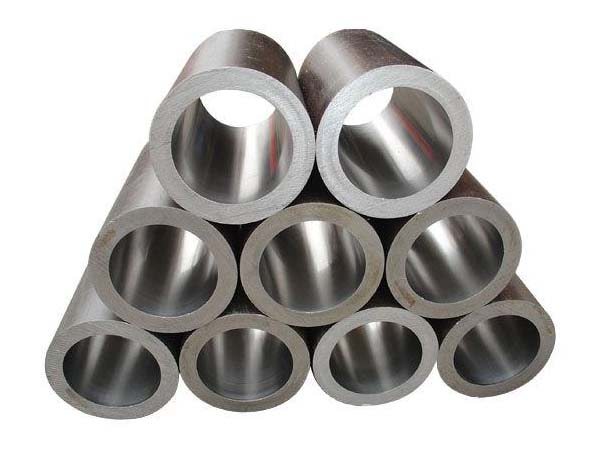

 +86 13771119215