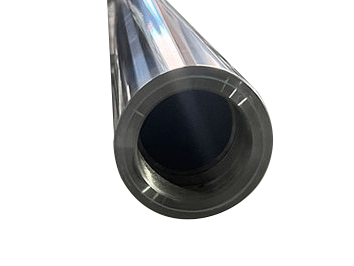
A hard chrome plated bar (HCPB) is a cylindrical metal component with a hard chrome coating deposited on the surface of a base metal bar through an electroplating process. Unlike decorative chrome plating, hard chrome plating is designed to enhance the surface performance of the base bar, rather than just improving its appearance. Characterized by high surface hardness, excellent wear resistance, superior corrosion resistance, and a smooth surface finish, hard chrome plated bars are widely used in various industrial fields that require stable operation under harsh working conditions, such as hydraulic systems, construction machinery, automotive manufacturing, and aerospace. As a key component in linear motion and transmission systems, the performance of hard chrome plated bars directly affects the reliability, efficiency, and service life of the entire mechanical equipment. This article systematically elaborates on the definition, core properties, manufacturing process, working mechanism, typical application scenarios, and maintenance guidelines of hard chrome plated bars, integrating practical technical parameters and industry experience to provide comprehensive guidance for engineers, procurement personnel, and maintenance technicians.
I. Overview and Core Definition of Hard Chrome Plated Bar
In industrial manufacturing, a
chrome plated bar is a metal bar whose surface is coated with a chrome layer through electroplating technology. According to the purpose and thickness of the chrome layer, chrome plated bars can be divided into decorative chrome plated bars and hard chrome plated bars. Decorative chrome plating focuses on aesthetic appearance, with a thin chrome layer (usually less than 0.8 μm) that provides a bright, mirror-like surface. In contrast, hard chrome plated bars prioritize functional performance, with a much thicker chrome layer (ranging from 0.8 μm to 50 μm, depending on application requirements) that endows the bar with excellent mechanical and chemical properties[1].
The core essence of a hard chrome plated bar lies in the combination of the base metal’s toughness and the chrome coating’s hardness. The base metal provides sufficient strength and toughness to withstand external loads and avoid brittle fracture, while the hard chrome coating acts as a protective layer, enhancing the bar’s wear resistance, corrosion resistance, and surface smoothness. Hard chrome plated bars are typically made of carbon steel, alloy steel, or stainless steel as the base material, and the chrome coating is deposited through an electrolytic process, ensuring strong adhesion between the coating and the base metal. This unique structure makes hard chrome plated bars suitable for applications involving high friction, high pressure, corrosive environments, and frequent linear or rotary motion.
II. Core Properties of Hard Chrome Plated Bar
The performance of hard chrome plated bars is mainly reflected in six core properties, which are the key advantages over unplated bars and decorative chrome plated bars, and the basis for their application in harsh industrial scenarios:
1. Exceptional Surface Hardness
Surface hardness is the most prominent property of hard chrome plated bars. The hard chrome coating has extremely high hardness, which can range from 400 HV to 1200 HV depending on the plating solution composition and process parameters[1]. In practical applications, the surface hardness of most industrial-grade hard chrome plated bars is between 650 HV and 1000 HV, which is significantly higher than that of unplated carbon steel (200~300 HV) and even alloy steel after heat treatment. This high hardness enables the bar to resist wear, scratch, and indentation caused by friction and impact, extending its service life in high-load and high-friction environments.
2. Superior Wear Resistance
The combination of high surface hardness and smooth surface finish gives hard chrome plated bars excellent wear resistance. The chrome coating has a low coefficient of friction, which reduces the frictional force between the bar and mating components (such as seals, bearings, and cylinders). Compared with unplated bars, the wear resistance of hard chrome plated bars is improved by 3~5 times, and in some cases, even up to 10 times. This property is particularly important for components that undergo frequent reciprocating or rotary motion, such as hydraulic piston rods and linear guide bars, as it reduces the frequency of replacement and maintenance.
3. Strong Corrosion Resistance
The hard chrome coating has good chemical stability, making it resistant to corrosion by alkalis, sulfides, nitric acid, and most organic acids[1]. It can only be dissolved in hydrochloric acid and hot sulfuric acid, which makes hard chrome plated bars suitable for use in humid, corrosive, and harsh environments such as marine engineering, chemical processing, and food processing. For applications with high corrosion resistance requirements, an intermediate coating (such as nickel) can be added between the base metal and the chrome coating to further enhance corrosion resistance. However, it should be noted that the chrome coating may develop microcracks during the plating process, which may affect corrosion resistance if not properly treated.
4. Excellent Surface Finish
After hard chrome plating, the surface of the bar is extremely smooth, with a surface roughness (Ra) of usually 0.02~0.1 μm, and even as low as 0.01 μm for high-end applications. The smooth surface not only reduces friction and wear but also improves the sealing performance when paired with seals, preventing fluid leakage in hydraulic and pneumatic systems. In addition, the chrome coating has a reflectivity of about 65% in the visible light range, between that of silver (88%) and nickel (55%), and it does not discolor over time, maintaining its bright appearance for a long time[1].
5. Good Heat Resistance
The hard chrome coating has excellent heat resistance. When heated below 500℃, its luster and hardness remain unchanged; when the temperature exceeds 500℃, it begins to oxidize and discolor, and when it exceeds 700℃, its hardness starts to decrease[1]. This heat resistance makes hard chrome plated bars suitable for applications in high-temperature environments, such as engine components, high-temperature hydraulic systems, and industrial furnaces.
6. Strong Adhesion Between Coating and Base Metal
Through strict pre-plating treatment and precise control of the electroplating process, the hard chrome coating forms a strong metallurgical bond with the base metal, ensuring that the coating does not peel off, crack, or fall off during long-term use or under high-load conditions. This strong adhesion is crucial for the stability and reliability of hard chrome plated bars, especially in applications involving frequent impact and vibration.
III. Manufacturing Process of Hard Chrome Plated Bar
The manufacturing of hard chrome plated bars is a complex process that involves base metal preparation, pre-plating treatment, electroplating, post-plating treatment, and quality inspection. Each step has strict requirements to ensure the quality of the chrome coating and the overall performance of the bar. The key processes are as follows:
1. Base Metal Selection and Preparation
The choice of base metal directly affects the performance and application scope of hard chrome plated bars. Common base metals include:
- Carbon Steel: Such as 45# carbon steel, which is cost-effective, has good machinability and strength, and is suitable for general industrial applications with low corrosion resistance requirements. It is the most widely used base material for hard chrome plated bars.
- Alloy Steel: Such as 40Cr, 20CrMnTi, and high-speed steel (HSS). Alloy steel has excellent strength, toughness, and wear resistance, making it suitable for high-load, high-speed, and high-precision applications (such as hydraulic piston rods, machine tool spindles). 40Cr alloy steel is particularly widely used due to its good hardenability and compatibility with chrome plating[1].
- Stainless Steel: Such as 304, 316, and 316L stainless steel. It has inherent corrosion resistance, and after hard chrome plating, its wear resistance is further enhanced, making it suitable for corrosive environments such as marine engineering, medical equipment, and food processing.
After selecting the base metal, the bar is subjected to precision machining (such as turning, grinding) to ensure its dimensional accuracy and geometric accuracy, with dimensional tolerance usually reaching IT6~IT8 grade. The surface of the bar is then cleaned to remove oil, rust, and oxide layers, laying the foundation for subsequent plating.
2. Pre-Plating Treatment
Pre-plating treatment is a critical step to ensure the adhesion between the chrome coating and the base metal. It mainly includes the following processes:
- Degreasing: The bar is immersed in an alkaline degreasing solution to remove oil stains on the surface, ensuring that the chrome coating can adhere to the base metal evenly. Degreasing can be done through chemical degreasing, electrolytic degreasing, or ultrasonic degreasing, depending on the degree of oil contamination.
- Derusting and Pickling: The bar is treated with a pickling solution (such as hydrochloric acid, sulfuric acid) to remove rust, oxide layers, and other impurities on the surface. This step also activates the surface of the base metal, improving the adhesion of the chrome coating. After pickling, the bar is rinsed with clean water to remove residual pickling solution.
- Activation: The bar is immersed in an activation solution to remove the thin oxide film formed on the surface after pickling, further enhancing the surface activity and ensuring uniform deposition of the chrome coating.
- Pre-Plating (Optional): For applications with high corrosion resistance requirements, an intermediate coating (such as nickel or copper) is plated on the surface of the base metal before hard chrome plating. The intermediate coating acts as a barrier, preventing corrosion of the base metal and improving the adhesion of the chrome coating.
3. Hard Chrome Electroplating
Hard chrome electroplating is the core process of manufacturing hard chrome plated bars. It uses an electrolytic cell, where the base metal bar is used as the cathode, an insoluble anode (such as lead-tin alloy) is used as the anode, and a chromic acid-based electrolyte (mixed with additives such as sulfate or fluoride) is used as the plating solution[1]. When a direct current is applied to the electrolytic cell, chromium ions in the electrolyte are reduced and deposited on the surface of the cathode (base metal bar), forming a hard chrome coating.
Key parameters of the electroplating process include: current density (usually 20~60 A/dm²), plating temperature (50~65℃), and plating time (determined according to the required thickness of the chrome coating). Strict control of these parameters is crucial to ensure the hardness, thickness, and uniformity of the chrome coating. For example, too high a current density will cause the coating to be rough and porous, while too low a current density will result in slow plating speed and uneven coating thickness.
4. Post-Plating Treatment
After electroplating, the hard chrome plated bar is subjected to post-plating treatment to improve the quality and performance of the chrome coating. The main processes include:
- Rinsing: The bar is rinsed with clean water multiple times to remove residual electrolyte on the surface, preventing the electrolyte from corroding the chrome coating and base metal.
- Drying: The bar is dried using hot air or infrared drying to remove surface moisture, avoiding rust and corrosion.
- Polishing: For applications requiring high surface finish, the chrome coating is polished using mechanical polishing or electrochemical polishing to further reduce surface roughness and improve surface smoothness. Mirror polishing can be used for high-end applications to achieve a surface roughness of Ra ≤ 0.01 μm.
- Sealing Treatment: To eliminate microcracks in the chrome coating and enhance corrosion resistance, the bar is subjected to sealing treatment (such as immersion in a sealing agent or chemical passivation). This step fills the microcracks and forms a protective film on the surface of the chrome coating.
5. Quality Inspection
Quality inspection is an essential link to ensure the performance of hard chrome plated bars. The inspection items mainly include:
- Coating Thickness Detection: Using a coating thickness gauge to detect the thickness of the chrome coating, ensuring it meets the design requirements (0.8~50 μm). The thickness should be uniform across the entire surface of the bar.
- Hardness Detection: Using a Vickers hardness tester to detect the surface hardness of the chrome coating, ensuring it is between 400~1200 HV.
- Adhesion Detection: Using methods such as the scratch test, bend test, or impact test to check the adhesion between the chrome coating and the base metal. The coating should not peel off, crack, or fall off under test conditions.
- Surface Quality Detection: Using a surface roughness tester to detect surface roughness; using visual inspection or magnifying glass to check for surface defects such as scratches, pits, cracks, and pores. The surface should be smooth, uniform, and free of obvious defects.
- Corrosion Resistance Detection: Conducting salt spray tests or immersion tests to evaluate the corrosion resistance of the chrome coating. The coating should not show obvious corrosion after the test.
IV. Main Types of Hard Chrome Plated Bar
Hard chrome plated bars are classified into various types based on base material, chrome coating thickness, surface finish, and application function, each tailored to specific industrial needs:
1. Classification by Base Material
- Carbon Steel Hard Chrome Plated Bars: Cost-effective, with good machinability and strength, suitable for general industrial applications such as hydraulic cylinders, conveyor systems, and general machinery. They are the most widely used type of hard chrome plated bars.
- Alloy Steel Hard Chrome Plated Bars: High strength, toughness, and wear resistance, suitable for high-load, high-speed, and high-precision applications such as hydraulic piston rods, machine tool spindles, and automotive drivetrains.
- Stainless Steel Hard Chrome Plated Bars: Corrosion-resistant and hygienic, suitable for corrosive and hygienic environments such as marine engineering, medical equipment, food processing equipment, and chemical processing equipment.
2. Classification by Chrome Coating Thickness
- Thin-Layer Hard Chrome Plated Bars: Coating thickness of 0.8~5 μm, mainly used to improve wear resistance and surface finish, suitable for applications with low load and low friction, such as precision instruments and small mechanical components.
- Medium-Layer Hard Chrome Plated Bars: Coating thickness of 5~20 μm, suitable for general industrial applications with moderate load and friction, such as hydraulic piston rods, linear guide bars, and gear shafts.
- Thick-Layer Hard Chrome Plated Bars: Coating thickness of 20~50 μm, suitable for high-load, high-friction, and harsh environments such as construction machinery, mining equipment, and heavy-duty hydraulic systems.
3. Classification by Application Function
- Hydraulic Piston Rods: The most common application of hard chrome plated bars, used in hydraulic cylinders of construction machinery, industrial hydraulic equipment, and automotive hydraulic systems. They require high surface hardness, wear resistance, and corrosion resistance to withstand high pressure and frequent reciprocating motion.
- Linear Guide Bars: Used as guide components in linear motion systems (such as linear stages, 3D printers, and automated production lines), requiring high straightness, surface smoothness, and wear resistance to ensure precise and stable linear motion.
- Machine Tool Spindles: Used in CNC machine tools and precision grinders, requiring high rotational accuracy, surface hardness, and wear resistance to ensure stable cutting and machining accuracy.
- Wear-Resistant Shafts: Used in components such as gears, pulleys, and sprockets that are subject to high friction, requiring excellent wear resistance to extend service life.
V. Working Mechanism of Hard Chrome Plated Bar
The working mechanism of hard chrome plated bars is based on the synergistic effect of the base metal’s toughness and the chrome coating’s functional properties, mainly realizing three core functions in mechanical systems: wear resistance, corrosion protection, and friction reduction. These functions are closely coordinated to ensure the stable and reliable operation of the entire system:
1. Wear Resistance Mechanism
The high surface hardness of the hard chrome coating (400~1200 HV) enables it to resist the wear caused by sliding, rolling, or impact between the bar and mating components. When the bar is in motion, the chrome coating acts as a protective layer, bearing the friction and impact, while the tough base metal absorbs the external load, avoiding brittle fracture. The smooth surface of the chrome coating also reduces the frictional force, further reducing wear. In addition, the microcracks in the chrome coating (formed during electroplating) can retain lubricating oil, forming a lubricating film that further improves wear resistance.
2. Corrosion Protection Mechanism
The hard chrome coating has good chemical stability, forming a dense protective layer on the surface of the base metal, which isolates the base metal from corrosive media (such as water, acid, alkali, and salt) and prevents corrosion. For applications with high corrosion resistance requirements, the intermediate coating (such as nickel) further enhances the corrosion protection effect by blocking the penetration of corrosive media through the microcracks in the chrome coating. However, it should be noted that if the chrome coating is damaged (such as scratches or cracks), the base metal may be corroded, so regular inspection and maintenance are necessary.
3. Friction Reduction Mechanism
The smooth surface of the hard chrome coating (Ra ≤ 0.1 μm) reduces the coefficient of friction between the bar and mating components (such as seals, bearings). This not only reduces energy consumption but also reduces the heat generated by friction, avoiding overheating of the components and extending their service life. In hydraulic and pneumatic systems, the smooth surface also improves the sealing performance, preventing fluid leakage and ensuring the efficiency of the system.
VI. Typical Application Scenarios of Hard Chrome Plated Bar
Due to their excellent performance, hard chrome plated bars are widely used in various industrial fields that require high wear resistance, corrosion resistance, and surface smoothness. Their application scenarios are closely related to their working mechanism and core properties:
1. Hydraulic and Pneumatic Industry
This is the largest application field of hard chrome plated bars. They are mainly used as hydraulic piston rods, cylinder rods, and pneumatic piston rods in hydraulic cylinders and pneumatic cylinders. These components require high surface hardness, wear resistance, and corrosion resistance to withstand high pressure (200~350 MPa) and frequent reciprocating motion. For example, the piston rods of excavator hydraulic cylinders, hydraulic press cylinder rods, and automotive hydraulic steering systems all use hard chrome plated bars to ensure stable operation and long service life.
2. Construction Machinery Industry
Construction machinery such as excavators, cranes, loaders, and bulldozers operate in harsh environments with dust, moisture, and heavy loads. Hard chrome plated bars are used in their hydraulic systems, steering systems, and transmission systems, providing excellent wear resistance and corrosion resistance. For example, the piston rods of excavator boom cylinders and bucket cylinders are made of hard chrome plated alloy steel, which can withstand high impact and friction, ensuring the normal operation of the machinery.
3. Automotive Industry
In the automotive industry, hard chrome plated bars are used in engines, transmissions, steering systems, and brake systems. They require lightweight, high strength, and high wear resistance to ensure the reliability and safety of the vehicle. For example, the piston rods of automotive hydraulic brake systems, the valve stems of engines, and the transmission shafts of transmissions all use hard chrome plated bars to improve wear resistance and extend service life.
4. Precision Machinery Industry
Hard chrome plated bars are used in CNC machine tools, precision grinders, and precision measuring instruments, requiring high precision, surface smoothness, and wear resistance. For example, the spindle shafts of CNC machine tools and the guide bars of precision linear stages use hard chrome plated bars, which ensure high rotational accuracy and linear motion accuracy, improving the processing quality of the equipment.
5. Chemical and Marine Industry
In the chemical industry, hard chrome plated bars are used in chemical equipment, pipelines, and pumps, withstanding corrosion by corrosive media such as acids, alkalis, and salts. In the marine industry, they are used in ship steering systems, marine pumps, and offshore equipment, withstanding saltwater corrosion and humid environments. Stainless steel hard chrome plated bars are particularly suitable for these applications due to their excellent corrosion resistance.
6. Other Fields
- Medical Equipment: Stainless steel hard chrome plated bars are used in surgical robots, medical pumps, and precision medical instruments, with high hygiene, corrosion resistance, and surface smoothness, ensuring no pollution to the medical environment.
- Food Processing Equipment: Hard chrome plated bars are used in food processing machinery such as filling machines, packaging machines, and conveyor systems, with corrosion resistance and hygiene, ensuring food safety.
- Mining Equipment: Hard chrome plated bars are used in mining hydraulic supports, ore crushers, and other equipment, withstanding high load, high friction, and abrasive environments.
VII. Key Selection and Maintenance Guidelines
1. Selection Considerations
To select the optimal hard chrome plated bar for a specific application, consider the following key factors:
- Application Requirements: Determine the required chrome coating thickness, surface hardness, and surface finish based on the application’s load, friction, and precision requirements. For high-load, high-friction applications, select thick-layer hard chrome plated bars (20~50 μm) with high hardness (≥ 800 HV); for high-precision applications, select bars with high surface finish (Ra ≤ 0.05 μm).
- Working Environment: For corrosive environments (such as marine, chemical), select stainless steel hard chrome plated bars or bars with an intermediate nickel coating; for high-temperature environments, select bars with heat-resistant base metals (such as high-speed steel) and chrome coatings; for hygienic environments (such as medical, food), select stainless steel hard chrome plated bars with smooth surfaces[1].
- Base Material: Select the base material based on the load and application scenario. For general applications, carbon steel hard chrome plated bars are cost-effective; for high-load, high-precision applications, alloy steel hard chrome plated bars are preferred; for corrosive environments, stainless steel hard chrome plated bars are suitable.
- Mating Components: Ensure the dimensions and surface finish of the hard chrome plated bar are compatible with mating components (such as seals, bearings). The smooth surface of the bar should match the sealing requirements to avoid fluid leakage in hydraulic and pneumatic systems.
2. Maintenance Guidelines
Proper maintenance is essential to extend the service life of hard chrome plated bars and ensure the stability of the mechanical system. Follow these guidelines:
- Regular Cleaning: Clean the surface of the hard chrome plated bar regularly to remove dust, debris, and lubricant residues. Use a soft cloth or brush to avoid scratching the chrome coating; for bars with high surface finish, use ultrasonic cleaning to remove tiny contaminants. Ensure the mating surface is clean to avoid wear caused by impurities.
- Lubrication Maintenance: Maintain proper lubrication to reduce friction between the bar and mating components. Use lubricants compatible with the working environment and load, and replenish or replace lubricants regularly. The microcracks in the chrome coating can retain lubricating oil, so proper lubrication can further improve wear resistance and extend service life.
- Regular Inspection: Regularly inspect the hard chrome plated bar for coating damage (scratches, cracks, peeling), surface wear, and corrosion. Use precision measuring tools to detect dimensional changes and surface roughness; if coating damage or corrosion is found, repair or replace the bar in time to avoid further damage to the base metal.
- Proper Storage: Store unused hard chrome plated bars in a dry, clean, and well-ventilated environment, with a temperature of around 20℃ and humidity less than 65%. Avoid direct sunlight, moisture, and corrosive substances; cover the ends of the bar to prevent dust and debris from entering. For long-term storage, apply a thin layer of anti-rust oil to the surface to protect the chrome coating.
- Correct Installation: Ensure the hard chrome plated bar is installed correctly, with accurate alignment and appropriate fit (neither too tight nor too loose). Improper installation will cause uneven stress, friction, and damage to the chrome coating. Use professional installation tools and follow the installation specifications to ensure the coaxiality and parallelism of the bar.
VIII. Limitations and Future Development Trends
1. Limitations
Despite their excellent performance, hard chrome plated bars have some limitations. First, the electroplating process uses chromic acid-based electrolytes, which contain hexavalent chromium—a toxic substance that is harmful to the environment and human health. Second, the chrome coating is prone to microcracks during electroplating, which may affect corrosion resistance if not properly sealed. Third, the cost of hard chrome plating is relatively high, especially for thick-layer coatings. Fourth, the chrome coating may peel off if the pre-plating treatment is not thorough or the electroplating parameters are not properly controlled.
2. Future Development Trends
To address the limitations of traditional hard chrome plating, the industry is developing new technologies and processes. First, environmentally friendly chrome plating processes, such as trivalent chrome plating, electroless chrome plating, and alloy chrome plating, are being promoted to replace hexavalent chrome plating, reducing environmental pollution. Second, new coating materials (such as ceramic coatings, diamond-like carbon (DLC) coatings) are being developed, which have better wear resistance and corrosion resistance than hard chrome coatings. Third, the combination of precision machining and electroplating technology is being improved to reduce microcracks in the chrome coating and improve coating quality. Fourth, the application of intelligent electroplating equipment is increasing, enabling precise control of electroplating parameters and improving the consistency and stability of the chrome coating.
IX. Conclusion
The hard chrome plated bar is a key functional component in modern industrial machinery, whose excellent surface hardness, wear resistance, corrosion resistance, and surface smoothness make it indispensable in harsh working environments. Its unique structure—combining the toughness of the base metal and the functional properties of the hard chrome coating—enables it to withstand high load, high friction, and corrosive media, ensuring the stable and reliable operation of mechanical systems.
From the manufacturing process to the working mechanism, from application adaptation to maintenance management, every link of the hard chrome plated bar is closely related to its performance and service life. By understanding the core properties, manufacturing process, and working mechanism of hard chrome plated bars, engineers can select the appropriate product for specific applications, optimize system design, and improve equipment performance; proper maintenance can extend the service life of hard chrome plated bars, reduce operational costs, and ensure the stable operation of the system.
With the continuous development of environmentally friendly technologies and new materials, the limitations of traditional hard chrome plated bars will be gradually addressed, and their performance will be further improved. In the future, hard chrome plated bars will continue to play an important role in hydraulic systems, construction machinery, automotive manufacturing, and other fields, and will be more widely used in high-tech fields such as aerospace, medical equipment, and semiconductor manufacturing, promoting the development of modern industrial manufacturing.









 Home
News
Industry News
Hard Chrome Plated Bar: Definition, Manufacturing, Properties, And Industrial Applications
Home
News
Industry News
Hard Chrome Plated Bar: Definition, Manufacturing, Properties, And Industrial Applications 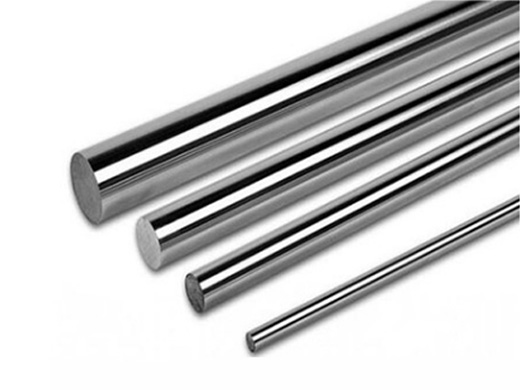

 +86 13771119215