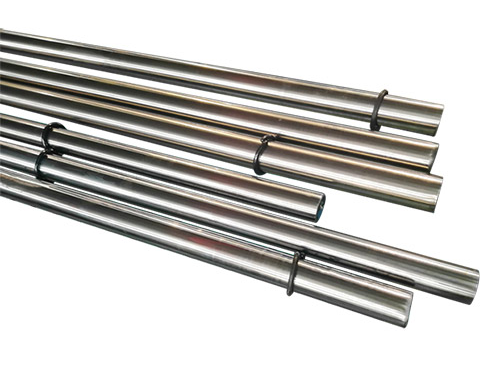
A linear shaft, also known as a linear guide shaft or guide rod, is a precision-engineered cylindrical component that serves as the core of linear motion systems. Designed to guide and support moving parts along a precise straight path, it works in tandem with linear bearings (such as ball bushings or slide bearings) to minimize friction, maintain alignment, and ensure stable load-bearing performance. As an indispensable component in modern mechanical transmission and automation systems, linear shafts are widely used in CNC machines, robotics, packaging equipment, medical devices, and many other industrial fields. This article comprehensively analyzes the structure, working principles, types, key characteristics, application scenarios, and maintenance guidelines of linear shafts, providing practical insights for engineers, procurement professionals, and maintenance technicians.
I. What is a Linear Shaft? Core Definition and Functions
At its core, a linear shaft is a precision-ground cylindrical rod that enables accurate linear motion by acting as a guide rail for linear bearings. Unlike profile rail systems, linear shafts feature a simple round geometry, making them cost-effective, easy to install, and versatile for a wide range of applications. The primary functions of a linear shaft can be summarized in three key aspects:
- Precise Linear Guidance: It ensures that moving components (such as sliders, platforms, or machine parts) move along a fixed straight path without deviation, which is critical for maintaining the accuracy of mechanical operations.
- Load Support: It bears radial loads (forces perpendicular to the shaft axis) and, in some cases, limited axial loads, providing structural stability for moving parts during operation.
- Friction Reduction: When paired with linear bearings, it minimizes friction between moving components, enabling smooth, low-noise motion and extending the service life of the entire system.
Linear shafts are typically manufactured with high-precision machining processes, ensuring a smooth surface finish (with surface roughness often reaching Ra 0.8 μm or lower) and strict dimensional tolerance, which are essential for achieving high-precision linear motion.
II. Core Structure and Working Principle of Linear Shafts
1. Core Structural Components
A complete linear shaft system consists of four main components, each playing a vital role in ensuring stable and accurate operation:
-
Linear Shaft Body: The main cylindrical rod, usually made of high-strength steel, stainless steel, or aluminum alloy. It is precision-ground to ensure straightness and surface smoothness, with surface treatments (such as chrome plating or heat treatment) to enhance wear resistance and corrosion resistance.
- Linear Bearings: The moving component that slides or rolls along the linear shaft. Common types include ball bushings (for rolling friction) and slide bearings (for sliding friction), which reduce resistance and support the load of moving parts.
- Shaft Supports/Mounts: Fixed components that secure the linear shaft in place, preventing bending, deflection, or axial movement. They ensure the shaft remains aligned and stable during operation.
- End Supports/Flanges: Installed at the ends of the linear shaft to simplify installation, secure the shaft, and prevent linear bearings from slipping off the shaft.
2. Working Principle
The operation of a linear shaft system is based on the principle of sliding or rolling contact between the shaft and the linear bearing:
- The linear shaft is fixed in position by shaft supports, serving as a stationary guide rail.
- The linear bearing is attached to the moving component (e.g., a slider or platform) and moves along the surface of the linear shaft.
- For rolling contact systems (e.g., ball bushings), rolling elements (balls) between the bearing and the shaft convert sliding friction into rolling friction, minimizing resistance and enabling smooth motion.
- For sliding contact systems, low-friction materials or lubrication are used to reduce friction between the bearing and the shaft, ensuring smooth linear travel.
This simple yet effective working principle allows linear shafts to provide accurate, stable linear motion while supporting loads and maintaining alignment, making them suitable for a wide range of industrial applications.
III. Main Types of Linear Shafts and Their Characteristics
Linear shafts are classified into various types based on material, surface treatment, structural design, and mounting style. Each type has unique characteristics and is suitable for specific application scenarios. The most common types are as follows:
1. Based on Material
- Hardened Steel Linear Shafts: The most common type, made of high-quality bearing steel (e.g., SUJ2 or 52100). They undergo heat treatment (such as induction hardening) to achieve high surface hardness and wear resistance, making them suitable for heavy-load, industrial applications. They are cost-effective and widely used in CNC machines, automation equipment, and mechanical transmission systems.
- Stainless Steel Linear Shafts: Typically made of austenitic stainless steel (e.g., 304 or 316), they offer excellent corrosion resistance and are ideal for harsh environments such as damp conditions, chemical exposure, or cleanrooms. Common applications include food machinery, medical equipment, marine engineering, and water treatment equipment.
- Aluminum Linear Shafts: Lightweight and resistant to atmospheric corrosion, with a natural oxide film on the surface for basic protection. They are suitable for lightweight applications where weight is a concern, such as automation equipment, light assembly lines, and small-scale machinery. However, they have lower load-bearing capacity and are not suitable for heavy-load or high-impact applications.
2. Based on Surface Treatment
- Chrome-Plated Linear Shafts: A layer of hard chrome is electroplated onto the surface of carbon steel or bearing steel shafts, enhancing surface hardness (up to HV 700), wear resistance, and corrosion protection. They have a smooth surface, reducing friction and extending service life. Common variants include hard chrome-plated shafts (for industrial automation), flexible chrome-plated shafts (for vibration-damping applications), and hollow chrome-plated shafts (for weight reduction and cable routing).
- Induction-Hardened Linear Shafts: Feature a hardened outer surface and a tough core, providing high durability under repetitive motion and heavy loads. They are widely used in industrial applications requiring high wear resistance and impact resistance.
- Powder-Coated Linear Shafts: Coated with epoxy-modified or other powder coatings, offering excellent salt spray resistance and corrosion protection. Suitable for outdoor or industrial environments with high humidity or dust.
3. Based on Structural Design
- Solid Linear Shafts: The most common design, featuring a solid cylindrical structure with high rigidity and load-bearing capacity. Suitable for most industrial applications where stability and strength are priorities.
- Hollow Linear Shafts: Have a hollow center, reducing weight and inertia compared to solid shafts. The hollow cavity can be used for routing cables, fluids, or gases, making them ideal for automation systems and robotic arms. They are lighter but have slightly lower load-bearing capacity than solid shafts.
- Threaded Linear Shafts: Equipped with external threads (one end or both ends) or tapped holes for easy mounting and attachment to machinery or fixtures. They simplify installation and provide secure positioning, suitable for automation equipment and custom mechanical systems.
- Retaining Ring Groove Linear Shafts: Feature grooves near the ends to fit retaining rings, ensuring secure axial positioning of bearings or collars along the shaft. They prevent parts from sliding out of place during operation, maintaining alignment and stability.
IV. Key Characteristics of Linear Shafts
Linear shafts are valued for their unique combination of performance attributes, which make them indispensable in precision mechanical systems. Their key characteristics include:
- High Precision: Precision-ground manufacturing ensures excellent straightness and dimensional accuracy, enabling moving components to move along a precise path. This is critical for applications requiring high positioning accuracy, such as CNC machining and 3D printing.
- High Rigidity: Made of high-strength materials, linear shafts can withstand radial and axial loads without bending or deformation, ensuring stable operation even under heavy loads.
- Low Friction: When paired with linear bearings, they minimize friction, enabling smooth, low-noise motion and reducing energy consumption. This also extends the service life of the entire system.
- Versatility and Easy Installation: Their simple cylindrical design makes them easy to install and compatible with a wide range of linear bearings and mounting systems. They can be customized to suit different application requirements.
- Durability: Surface treatments (such as chrome plating, heat treatment) and high-quality materials enhance wear resistance, corrosion resistance, and overall durability, ensuring long service life in harsh industrial environments.
It is worth noting that linear shafts differ from linear guide rails in terms of friction characteristics: linear shafts typically rely on sliding friction (with a friction coefficient of 0.1-0.3), while linear guide rails use rolling friction (with a much lower friction coefficient of 0.001-0.005). This makes linear shafts more suitable for low-speed, heavy-load applications, while linear guide rails are preferred for high-speed, high-precision scenarios.
V. Typical Application Scenarios of Linear Shafts
Thanks to their high precision, stability, and versatility, linear shafts are widely used in various industrial fields, from precision machinery to heavy industrial equipment. Typical application scenarios include:
1. CNC Machines and Precision Machining
Linear shafts are core components in CNC lathes, milling machines, and machining centers, where they guide the movement of the worktable or tool head. They ensure high-precision linear (feed motion), enabling accurate machining of complex parts. Their high rigidity and wear resistance make them suitable for the heavy loads and repetitive motion of machining operations.
2. Automation Equipment and Robotics
In industrial automation systems, linear shafts are used to guide the movement of sliders, conveyors, and robotic arms. They are widely used in pick-and-place systems, assembly lines, and robotic workstations, providing smooth, accurate linear motion. Hollow linear shafts are particularly useful in robotics for routing cables or fluids, while lightweight aluminum shafts are used in small automation equipment to reduce overall weight.
3. Packaging and Printing Machinery
Linear shafts play a key role in packaging machines, where they drive feeding, forming, and sealing mechanisms. Their high precision and stability ensure consistent packaging quality and efficient operation. They are also used in printing machines to guide the movement of paper or printing heads, maintaining alignment and ensuring clear, accurate printing.
4. Medical and Pharmaceutical Equipment
Stainless steel linear shafts are widely used in medical devices such as diagnostic equipment, surgical robots, and drug delivery systems. Their corrosion resistance and high precision make them suitable for cleanroom environments and applications requiring strict hygiene standards. They ensure smooth, accurate motion in medical instruments, enhancing the reliability and safety of medical procedures.
5. Other Industrial Fields
- Woodworking and Textile Machinery: Used to guide the movement of cutting tools, fabric rollers, and other components, ensuring stable operation and high production efficiency.
- Marine and Chemical Engineering: Stainless steel linear shafts are used in marine equipment and chemical plants, where they resist corrosion from saltwater or chemical media.
- 3D Printers and DIY Equipment: Small linear shafts (8mm, 10mm, 12mm) are widely used in 3D printers to guide the movement of the print head and build plate, ensuring precise layer-by-layer printing. They are also used in DIY projects and small-scale machinery due to their cost-effectiveness and easy installation.
VI. Key Selection and Maintenance Guidelines
1. Selection Considerations
To select the optimal linear shaft for a specific application, consider the following key factors:
- Load Requirements: Determine the radial and axial loads the shaft will bear, and select a shaft with sufficient rigidity and load-bearing capacity. Solid shafts are suitable for heavy loads, while hollow shafts are ideal for lightweight applications.
- Precision Requirements: Choose a shaft with the appropriate dimensional tolerance and surface finish based on the application’s precision needs. High-precision applications (e.g., CNC machining) require shafts with strict straightness and smoothness.
- Environmental Conditions: For corrosive, humid, or cleanroom environments, select stainless steel or chrome-plated shafts. For outdoor or high-dust environments, choose shafts with corrosion-resistant coatings.
- Size and Installation: Select the appropriate shaft diameter (ranging from 8mm to 30mm for most common applications) and length based on the installation space and motion requirements. Threaded or flanged shafts simplify installation in custom systems.
- Compatibility with Linear Bearings: Ensure the linear shaft is compatible with the selected linear bearings (ball bushings, slide bearings) to minimize friction and ensure smooth motion.
2. Maintenance Guidelines
Proper maintenance is essential to extend the service life of linear shafts and ensure stable performance. Follow these guidelines:
- Regular Cleaning: Remove dust, debris, and oil stains from the shaft surface to prevent wear and contamination. Use a soft cloth or brush to avoid scratching the surface.
- Lubrication: Apply lubricating oil or grease regularly to reduce friction between the shaft and linear bearings. Choose the appropriate lubricant based on the application’s temperature and load conditions. Self-lubricating bearings can reduce maintenance frequency.
- Inspection: Regularly check the shaft for wear, corrosion, or bending. Inspect the surface for scratches, dents, or plating damage, which can lead to premature failure. Check shaft supports and bearings for looseness or damage.
- Storage: Store unused linear shafts in a dry, well-ventilated area, away from moisture and corrosive substances. Cover the shaft to prevent dust and damage to the surface finish.
VII. Conclusion
Linear shafts are fundamental components in linear motion systems, providing precise guidance, stable load support, and low-friction motion for a wide range of industrial applications. Their simple structure, high precision, and versatility make them indispensable in CNC machining, automation, medical equipment, and many other fields. By understanding the different types, characteristics, and working principles of linear shafts, engineers and procurement professionals can select the optimal model for their specific needs.
With the advancement of manufacturing technology, linear shafts are continuously evolving toward higher precision, better corrosion resistance, and lighter weight. Innovations such as hollow shafts for functional integration, high-performance surface treatments, and compatibility with intelligent automation systems are expanding their application potential. Proper selection, installation, and maintenance of linear shafts not only ensure the stability and efficiency of mechanical systems but also reduce operational costs and extend service life.
For anyone working in mechanical engineering, automation, or precision manufacturing, mastering the knowledge of linear shafts is crucial to designing and maintaining high-performance mechanical systems. As industrial automation continues to advance, linear shafts will remain a core component, driving progress in precision motion control and efficient production.









 Home
News
Industry News
Linear Shaft: A Complete Guide To Structure, Types, Applications, And Maintenance
Home
News
Industry News
Linear Shaft: A Complete Guide To Structure, Types, Applications, And Maintenance 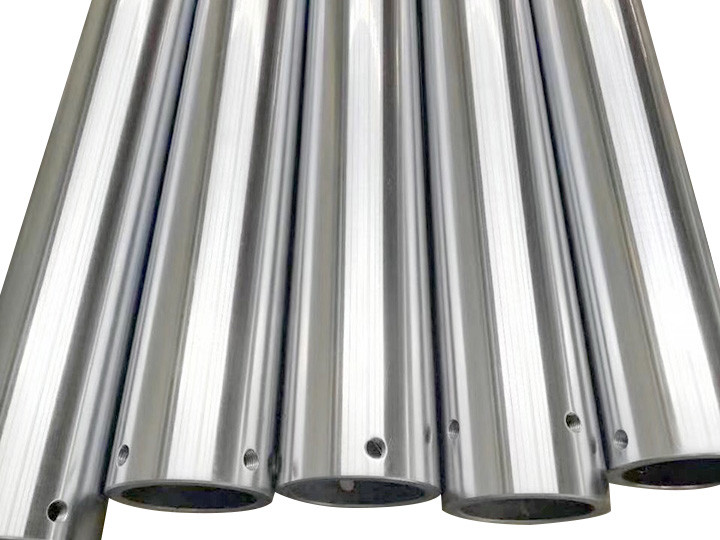

 +86 13771119215