Aluminum Cylinder Barrel: Material Advantages, Processing Technology And Industrial Application
Release time:2026-07-17
Visits:222
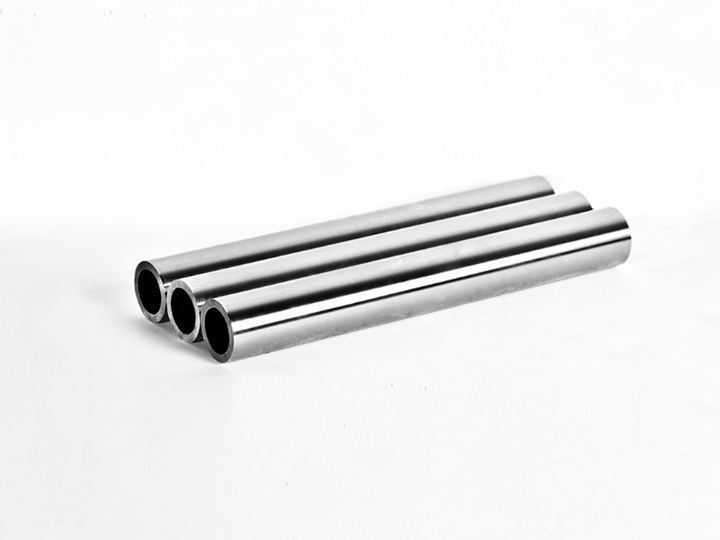
An aluminum cylinder barrel is a lightweight high-strength cylinder component specially manufactured for hydraulic and pneumatic systems. Different from traditional carbon steel and alloy steel cylinder barrels, it is made of high-purity aluminum alloy through extrusion, precision machining and surface anodizing treatment. Featuring low density, excellent thermal conductivity and strong corrosion resistance, aluminum cylinder barrels have gradually become an ideal substitute for steel barrels in light-duty hydraulic equipment. They are widely used in automation machinery, transportation equipment and aerospace auxiliary hydraulic systems.
1. Main Material and Manufacturing Process
Most industrial
aluminum cylinder barrels adopt 6061 or 7075 aluminum alloy as the base material. These aluminum grades have balanced plasticity, tensile strength and oxidation resistance, which are suitable for precision extrusion forming. The production procedure includes raw material extrusion, rough turning, fine boring, inner honing and surface hardening treatment. After extrusion, the aluminum blank undergoes homogenization heat treatment to eliminate internal stress. The inner hole is processed by precision honing to ensure smooth inner surface and tight assembly clearance with piston seals. In addition, hard anodizing is an essential surface treatment step, forming a dense alumina protective layer to improve surface hardness and wear resistance.
2. Unique Structural and Mechanical Advantages
Aluminum cylinder barrels possess irreplaceable advantages compared with steel cylinder barrels. Firstly, the low-density property greatly reduces the overall weight of hydraulic components, which is beneficial to equipment lightweight design and energy saving. Secondly, the anodized surface has strong anti-corrosion ability, avoiding rust and oxidation in humid and weak corrosive environments. Thirdly, aluminum alloy has good thermal conductivity, which can quickly dissipate the heat generated by hydraulic oil friction and stabilize the internal working temperature. Although its pressure resistance is lower than alloy steel barrels, it fully meets the working requirements of medium and low pressure hydraulic systems below 20 MPa.
3. Typical Industrial Application Scenarios
Aluminum cylinder barrels are mainly applied in medium-low pressure and lightweight required industrial fields. In automated production lines, they are used for pneumatic cylinders and small hydraulic actuators to realize repetitive linear motion. In automobile and transportation industries, aluminum barrels serve as components of vehicle lifting cylinders and suspension damping cylinders to reduce vehicle dead weight. In addition, they are widely used in medical machinery, packaging equipment and intelligent handling robots. For working environments with humid air, frequent movement and low load, aluminum cylinder barrels show longer service life and lower maintenance cost.
4. Limitations and Development Prospect
Despite multiple advantages, aluminum cylinder barrels still have certain limitations. The surface is prone to scratch under heavy impact, and the overall compressive strength cannot match high-pressure alloy steel barrels. In the future, with the upgrading of alloy modification and composite coating technology, the hardness and pressure resistance of aluminum cylinder barrels will be further improved. To sum up, aluminum cylinder barrels are indispensable lightweight hydraulic components. With the continuous development of energy-saving and lightweight industrial equipment, aluminum alloy cylinder barrels will gain broader market application prospects.









 Home
News
Industry News
Aluminum Cylinder Barrel: Material Advantages, Processing Technology And Industrial Application
Home
News
Industry News
Aluminum Cylinder Barrel: Material Advantages, Processing Technology And Industrial Application 

 +86 13771119215