Linear Optical Shaft: Processing Characteristics, Mechanical Performance And Industrial Application
Release time:2026-07-20
Visits:199
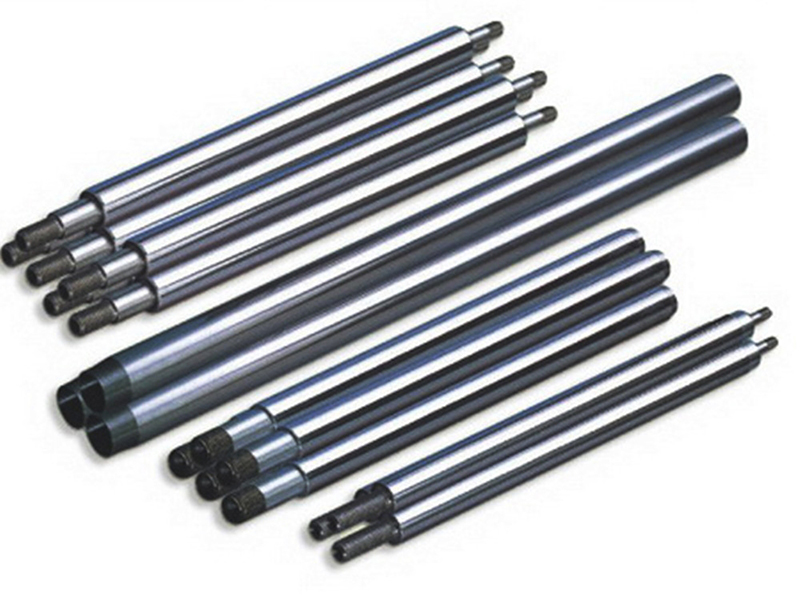
A linear optical shaft, also known as a linear hard chrome shaft, is a high-precision cylindrical metal part widely used for linear motion transmission and mechanical support. Manufactured from high-quality carbon steel or alloy steel through precision turning, grinding and surface chrome plating, it features high straightness, smooth surface and excellent wear resistance. As one of the core components of linear motion systems, linear optical shafts cooperate with linear bearings to achieve stable reciprocating movement. They are commonly applied in automation equipment, hydraulic machinery and precision transmission mechanisms.
1. Main Materials and Production Technology
Most
linear optical shafts are made of high-quality raw materials such as 45# carbon steel and 20CrMnTi alloy steel. These materials provide good toughness, rigidity and fatigue resistance after heat treatment. The manufacturing process includes rough turning, precision cylindrical grinding, stress relief tempering and hard chrome plating. The surface is finely polished to ensure extremely low surface roughness. After processing, the straightness tolerance is strictly controlled within 0.05mm per meter, which prevents jamming during high-speed linear movement. The surface chrome-plated layer enhances surface smoothness and anti-rust capability.
2. Key Mechanical Characteristics
Linear optical shafts have outstanding mechanical advantages for motion transmission. Firstly, the high-precision roundness and straightness ensure smooth sliding with minimal friction between the shaft and bearing. Secondly, the hardened surface treatment improves surface hardness up to HRC 58-62, providing strong wear resistance against long-term reciprocating friction. Thirdly, the uniform metallic structure enhances bending resistance, ensuring structural stability under lateral load. In addition, the dense chrome coating effectively isolates air and moisture, avoiding oxidation and rust in humid working environments.
3. Common Industrial Application Scenarios
Due to reliable precision and low-friction performance, linear optical shafts are widely used in automated mechanical systems. In industrial automation production lines, they serve as guide shafts for sliding platforms and positioning fixtures. In hydraulic and pneumatic equipment, optical shafts are used as piston rods and support guide rods to maintain stable movement of cylinders. Moreover, they are essential parts for packaging machinery, CNC machine tools, handling robots and printing equipment. For high-frequency movement and precise positioning working conditions, linear optical shafts can effectively reduce mechanical vibration and improve motion accuracy.
4. Limitations and Development Trends
Although linear optical shafts have mature application technology, they still have certain limitations. Ordinary carbon steel optical shafts are not suitable for strong corrosive environments, and excessive heavy load may cause permanent bending deformation. In the future, with the development of alloy modification and composite coating technology, corrosion-resistant and high-strength optical shafts will become the mainstream. In conclusion, linear optical shafts are fundamental and irreplaceable linear motion components. With the rapid upgrading of automated intelligent equipment, high-precision linear optical shafts will continue to expand their industrial application scope.









 Home
News
Industry News
Linear Optical Shaft: Processing Characteristics, Mechanical Performance And Industrial Application
Home
News
Industry News
Linear Optical Shaft: Processing Characteristics, Mechanical Performance And Industrial Application 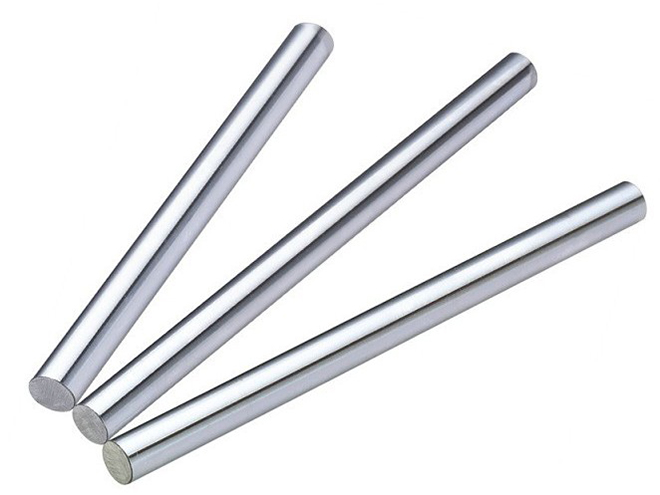

 +86 13771119215